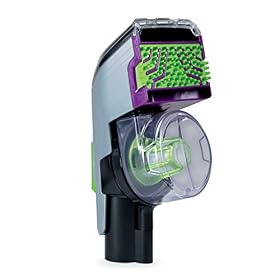
A mattress tool can make a carpet cleaner or upholstery machine more useful, but compatibility and cleaning method matter. Here is what to check before buying one.
A mattress tool add-on can help remove surface dust, pet hair, allergens, and small stains from mattresses, but the right attachment depends on your machine and the type of cleaning you need. Before buying, check the connector, cleaning method, tool width, and whether the attachment is designed for dry vacuuming or wet extraction.
What a mattress tool add-on does
A mattress attachment is usually a smaller tool designed to work on fabric surfaces. Depending on the product, it may:
Lift dust, hair, and debris with suction
Agitate fabric with a brush or rotating action
Apply cleaning solution and extract dirty water
Reach more easily across a mattress than a full-size floor head
Clean upholstery, cushions, vehicle seats, and other fabric surfaces
A dry vacuum mattress tool is mainly for surface debris. An upholstery or carpet-cleaner attachment may spray solution and recover moisture. These are different uses, so do not assume that every tool marketed for mattresses can wet-clean them.
Check compatibility before buying
The most important specification is whether the tool fits your existing machine. Check the cleaner’s manual, attachment list, and connector dimensions before ordering.
Look for compatibility information covering:
The machine brand and model family
Hose or wand connection type
Whether an adapter is included or required
Solution tubing connection, if the tool sprays liquid
Recovery or suction compatibility
Electrical connections for powered brushes
A tool may physically fit the hose but still be unsuitable if it cannot deliver solution, recover water, or connect to a powered brush. Universal adapters can help with some hose sizes, but they may reduce security or create air leaks. A purpose-made attachment is usually the safer choice when one is available.
Product prices and availability are accurate as of the date/time indicated and are subject to change. Any price and availability information displayed on Amazon.com at the time of purchase will apply to the purchase of this product.
Dry vacuum tool or wet-extraction tool?
Choose the cleaning method based on the problem you are trying to solve.
Dry vacuum mattress tool
A dry tool is appropriate for routine removal of loose dust, crumbs, hair, and pet debris. It is generally simpler to use because it does not add moisture to the mattress. A brush edge or fabric nozzle can help loosen surface material before suction removes it.
A dry tool will not remove a deep liquid stain by itself. It also cannot sanitize a mattress merely through suction, so follow the mattress manufacturer’s care instructions and use appropriate cleaning practices.
Wet-extraction upholstery tool
An extraction tool sprays a controlled amount of solution, agitates or loosens soil, and pulls moisture back into the machine. This can help with some stains and odors, but it adds a risk that the mattress will remain damp.
Use only a formula approved for the machine and suitable for the mattress fabric. Apply as little moisture as practical, make additional suction passes, and allow the mattress to dry completely before covering or sleeping on it. Poor drying can contribute to musty odors or microbial growth.
Product prices and availability are accurate as of the date/time indicated and are subject to change. Any price and availability information displayed on Amazon.com at the time of purchase will apply to the purchase of this product.
Features that affect the buying decision
Narrow working width
A compact head is easier to control on a mattress and around seams, piping, and edges. A wider tool may cover more area per pass, but it can be awkward on a narrow bed or around raised features.
Soft or fabric-safe bristles
A brush can loosen hair and embedded debris, but stiff bristles may pull delicate fabric or damage a mattress cover. Look for a brush described as suitable for upholstery or mattress fabric rather than a hard-surface scrubber.
Transparent recovery area
On a wet-extraction tool, a clear nozzle or recovery path can make it easier to see whether liquid is being picked up. This does not guarantee that the mattress is dry, but it can help identify poor suction or excessive spraying.
Suction opening and airflow
The tool should maintain contact with the fabric without sealing so tightly that it becomes difficult to move. A blocked nozzle, damaged gasket, or loose hose connection can reduce recovery and leave more moisture behind.
Powered brush versus passive brush
A powered brush can provide more agitation, but it requires a compatible electrical connection and may be too aggressive for some fabrics. A passive brush is simpler and usually easier to clean. Follow the attachment and mattress-care instructions rather than choosing the most powerful option automatically.
Easy cleaning
Mattress tools can collect hair, lint, and dirty water residue. Removable brush rolls, accessible channels, and washable parts make routine maintenance easier. Clean and dry the tool after wet use so residue does not build up inside it.
Product prices and availability are accurate as of the date/time indicated and are subject to change. Any price and availability information displayed on Amazon.com at the time of purchase will apply to the purchase of this product.
How to use a mattress tool safely
Read the mattress and machine instructions. Confirm that the mattress cover and cleaning method can tolerate vacuuming, brushing, or moisture.
Remove bedding and inspect the surface. Pick up loose objects and treat visible stains according to the fabric-care directions.
Vacuum dry debris first. This reduces the amount of hair and grit the wet tool must handle.
Test an inconspicuous area. Check for color transfer, texture changes, or fabric damage before cleaning a larger section.
Use limited solution. Do not saturate the mattress. Follow the cleaner’s recommended formula and dilution.
Make slow extraction passes. On a wet tool, overlap passes slightly and make additional suction-only passes if the machine allows it.
Dry the mattress completely. Provide ventilation and avoid replacing bedding until the surface and interior feel fully dry.
Clean the attachment. Empty recovery water, rinse appropriate parts, remove hair, and let components dry.
Do not use a wet-extraction attachment on a mattress if the manufacturer prohibits moisture, or if you cannot provide adequate drying. Do not attempt to remove bodily-fluid contamination without following appropriate protective and cleaning procedures; some situations require professional cleaning or replacement.
When an add-on is worth buying
A mattress tool makes sense when you already own a compatible carpet cleaner or upholstery machine and expect to clean mattresses, cushions, pet beds, or vehicle upholstery. It can be more convenient than maneuvering a full-size floor head and may provide better control around seams and edges.
A separate upholstery tool may be a better choice when your current machine has no suitable attachment, when the included tool is too large, or when you need a tool for several fabric surfaces. If your machine has weak suction, leaks, or poor moisture recovery, buying an attachment will not solve the underlying problem.
Replace the tool when the nozzle is cracked, the brush is damaged, the connection will not seal, or the recovery path remains blocked after cleaning. If the machine itself is losing suction or leaving excessive moisture with multiple attachments, troubleshoot the machine before purchasing another head.
Quick buying checklist
Before ordering a mattress tool add-on, confirm:
It is made for your machine or has a clearly suitable connector
It supports the cleaning method you need: dry vacuuming or wet extraction
Its brush is appropriate for upholstery or mattress fabric
The tool is small enough to control comfortably
Any spray, suction, or electrical connections match your cleaner
Replacement parts or cleaning access are available if needed
Your mattress manufacturer permits the intended cleaning method
The best add-on is not necessarily the most aggressive one. A compatible, fabric-safe tool that gives you controlled suction and manageable moisture is usually more useful than a powerful attachment that risks damage or leaves the mattress wet.
FAQ
Can I use any upholstery tool on a mattress?
No. Check that the attachment fits your machine and that its brush, spray system, and suction are suitable for the mattress fabric. Follow both the machine manual and the mattress care label.
Is a mattress tool the same as a carpet-cleaner attachment?
Some carpet-cleaner upholstery tools can be used on mattresses, but they are not automatically interchangeable. Mattress use depends on the tool design, moisture control, machine compatibility, and the mattress manufacturer’s instructions.
Should I choose a dry vacuum tool or a wet-extraction tool?
Choose a dry tool for dust, hair, and loose debris. Choose wet extraction only when the mattress allows moisture and you can dry it thoroughly afterward.
Why is my mattress still wet after using an upholstery attachment?
Common causes include excessive solution, slow or weak suction, a clogged nozzle, a loose hose connection, a full recovery tank, or a damaged seal. Check the filter and hose, empty the tank, inspect seals, and make additional suction-only passes if supported.