An upholstery tool kit can make fabric sofas, car seats, stairs, and small carpeted areas easier to clean—but only if the tools fit your machine and match the job. Here’s what to check before buying.
Upholstery tool kit
An upholstery tool kit is useful for cleaning sofas, chairs, mattresses, car interiors, stairs, and other tight fabric-covered areas that are difficult to reach with a full-size carpet-cleaning head. Before buying, check hose and wand compatibility first, then compare the tool’s spray width, extraction opening, brush design, and included adapters.
A kit is usually a good purchase when you already own a compatible carpet cleaner, spot cleaner, wet/dry vacuum, or extraction machine. If your machine cannot spray cleaning solution or safely recover liquid, an upholstery attachment alone will not provide the same deep-cleaning action as a suitable extractor.
What an upholstery tool kit usually includes
The exact contents vary, but a kit may contain:
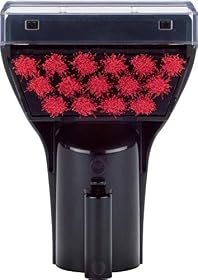
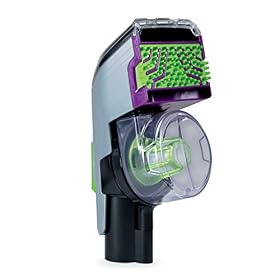
A narrow upholstery extraction head
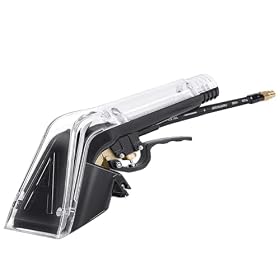
A hand nozzle for spraying and recovering liquid
A built-in or removable brush
A short hose or extension hose
Wand or hose adapters
Crevice, stair, or detail tools
A small cleaning brush for the nozzle
Replacement seals or gaskets on some kits
A simple hand tool may be enough for occasional sofa or car-seat cleaning. A larger kit is more useful when you need to clean several surfaces or reach narrow areas, but extra pieces are only valuable if they fit your machine and can be stored conveniently.
Check compatibility before comparing features
Compatibility is the most important specification. An upholstery tool that does not connect securely can leak, lose suction, spray unevenly, or fail to operate at all.
Confirm the connection type
Look for the tool’s required hose, wand, or port connection. Common differences include:
Push-fit versus twist-lock connections
Different hose diameters
Machine-specific locking tabs
Separate solution and recovery connections
Adapters required for wet/dry vacuums
Do not assume that tools from the same general category are interchangeable. A carpet extractor, portable spot cleaner, and wet/dry vacuum may use different fittings even when their attachments look similar.
Check the machine manual, the tool manufacturer’s compatibility list, and the connector dimensions before ordering. If an adapter is included, confirm that it supports both the fluid path and suction path where applicable—not just a physical connection.
Match the tool to the machine
Some upholstery tools are designed for portable carpet cleaners and include a spray trigger. Others are dry or wet suction accessories intended for a vacuum hose. A tool designed only for suction will not inject cleaning solution, while a spray-extraction tool may not work correctly with a standard vacuum.
Use only attachments approved for your machine. Do not modify electrical or fluid connections to force a fit.
Product prices and availability are accurate as of the date/time indicated and are subject to change. Any price and availability information displayed on Amazon.com at the time of purchase will apply to the purchase of this product.
Features that affect cleaning performance
Spray width
A narrow spray head is easier to control on cushions, seams, stairs, and vehicle interiors. A wider head covers more fabric per pass but can be awkward on small or curved surfaces.
For upholstery, a compact head is generally more practical than a full-size carpet-cleaning nozzle. A transparent head can also help you see whether dirty water is being recovered and whether the fabric is becoming over-wet.
Extraction opening
The recovery opening should sit close to the fabric and provide a reasonably broad path for dirty water and debris. A poorly matched or partially blocked opening can leave moisture behind.
A wider opening may speed up cleaning, while a narrower opening can reach seams and tight spaces more easily. Either way, the tool must maintain a good seal against the surface without requiring excessive pressure.
Brush design
A fixed brush can help loosen surface soil before extraction. A removable brush is more versatile because you can use suction alone on delicate or looped fabrics.
Avoid aggressive scrubbing on fragile upholstery, loose weaves, velvet-like materials, or fabric with raised fibers. Always follow the furniture manufacturer’s care code and test the cleaning method in an inconspicuous area.
Trigger and water control
A comfortable trigger makes it easier to apply short, controlled bursts of solution. This matters because upholstery can become over-wet quickly, especially on cushions and dense foam.
Look for a trigger that does not require excessive force and that releases cleanly. A tool with poor control can apply more liquid than the machine can recover in one pass.
Hose length and flexibility
A longer hose improves reach around furniture and inside vehicles, but it can also be heavier and more difficult to store. Flexible hose construction helps when working around seat edges and furniture legs.
Make sure the hose is long enough for the job without requiring it to bend sharply. Kinks can restrict spray or suction and may put stress on the connectors.
Product prices and availability are accurate as of the date/time indicated and are subject to change. Any price and availability information displayed on Amazon.com at the time of purchase will apply to the purchase of this product.
Choosing a kit for different jobs
Sofas and chairs
Choose a compact extraction head with a comfortable grip, controlled spray trigger, and a transparent recovery area if available. A removable brush is useful when you need to switch between loosening soil and extracting liquid.
Car seats and interiors
A narrow nozzle, flexible hose, and crevice tool are especially useful. Check the tool’s overall height and width so it can fit between seats and around seat rails. Use controlled sprays because vehicle upholstery and foam can retain moisture.
Stairs
A hand tool with a relatively broad cleaning path can reduce the number of passes, while a slim profile helps it sit flat on stair treads. Make sure the hose reaches safely without creating a trip hazard.
Mattresses and cushions
Prioritize moisture control and extraction. Avoid saturating foam-filled items. A compact nozzle that allows short spray bursts and slow recovery passes is preferable to a high-volume attachment.
Pet hair and embedded debris
An upholstery extraction tool is mainly for liquid cleaning and recovery. It may not remove all dry pet hair. For that job, use a compatible dry brush, rubber hair tool, or vacuum attachment before applying cleaning solution.
Product prices and availability are accurate as of the date/time indicated and are subject to change. Any price and availability information displayed on Amazon.com at the time of purchase will apply to the purchase of this product.
How to use an upholstery tool safely
Check the fabric care instructions. Do not wet-clean fabric that is marked dry-clean-only or otherwise unsuitable for water-based cleaning.
Vacuum loose debris first. Remove dry soil, crumbs, and pet hair before spraying.
Test a hidden area. Check for color bleeding, texture changes, or dye transfer.
Use the correct formula. Follow the carpet cleaner or upholstery-formula instructions and dilution guidance.
Apply short sprays. Avoid holding the trigger continuously.
Make slow extraction passes. Move steadily over the area without pressing excessively hard.
Make additional dry passes. With the spray released, continue extracting moisture if the machine allows it.
Allow complete drying. Improve ventilation and avoid using the furniture until it is dry.
Never mix cleaning chemicals unless the manufacturers specifically say they are compatible. Keep electrical connections and machine controls away from wet areas, and unplug the machine before clearing a blockage or changing an attachment.
Common problems with upholstery tools
The tool does not fit
Confirm the tool’s connector type and your machine’s model compatibility. Check whether a required adapter is missing. Do not rely on tape, improvised reducers, or forced connections, which can cause leaks or loss of suction.
Spray is weak or uneven
Check that the clean-water tank is filled correctly, the solution line is connected, and the spray tip is not clogged. Rinse the nozzle according to the manufacturer’s instructions. A kinked hose or incorrectly seated tank can also restrict flow.
Suction is poor
Empty the recovery tank, check the float or shutoff mechanism, and clear lint or debris from the extraction opening. Inspect the hose for bends or blockages and make sure the tool is sitting flat enough to form a seal against the fabric.
The fabric remains too wet
Use less solution, slow down during recovery passes, and make extra passes with the spray released. Check for a clogged recovery path or damaged seal. If the machine has weak suction with every attachment, the issue may be with the machine rather than the upholstery tool.
The tool leaks
Stop using it and check the hose connection, O-rings, gasket, tank seating, and trigger assembly. Replace worn seals or the tool if the leak cannot be corrected. Do not continue operating electrical equipment around pooled water.
When to buy a replacement tool or a complete kit
A replacement hand tool makes sense when the original nozzle is cracked, the spray tip is worn, the brush is damaged, or the connector seal no longer holds. Buy a complete kit when you need multiple attachments, your current tool lacks the required adapter, or you regularly clean both upholstery and vehicle interiors.
Replacing the entire carpet cleaner or extractor is more reasonable when the machine has consistently weak suction, a failing pump, electrical faults, or damaged tanks. For electrical problems or a machine that trips a breaker, unplug it and follow the manufacturer’s service guidance rather than opening the unit yourself.
Quick buying checklist
Before ordering, verify:
The tool is compatible with your exact machine or hose connection
Any required adapters are included
It supports spray extraction, suction, or both as needed
The head is narrow enough for your intended surfaces
The brush can be removed or disabled if needed
The hose length is practical for your furniture or vehicle
Replacement seals, brushes, or nozzles are available
The tool can be cleaned and dried after use
For occasional spot cleaning, a compact compatible hand tool is usually the simplest choice. For frequent upholstery, stair, and car-interior work, a kit with multiple fittings and detail tools can justify its additional pieces—but compatibility should still come before the number of accessories.
FAQ
Can any upholstery tool fit any carpet cleaner?
No. Upholstery tools may use different hose diameters, locking systems, and separate spray or recovery connections. Check compatibility with your exact machine before buying.
Is an upholstery tool the same as a carpet-cleaning wand?
No. An upholstery tool is smaller and designed for cushions, furniture, stairs, mattresses, and vehicle interiors. A carpet wand usually has a wider cleaning path and is designed to work across floors.
Can I use an upholstery tool with a wet/dry vacuum?
Only if the tool and vacuum are designed to work together. A standard wet/dry vacuum may provide suction but not cleaning-solution spray, and an adapter may be needed. Follow both manufacturers’ instructions.
Why is my upholstery still wet after cleaning?
The fabric may have received too much solution, the extraction passes may have been too fast, or the tool or machine may have weak suction. Empty the recovery tank, check for clogs and leaks, use shorter sprays, and make additional slow passes without spraying.
Should I use the brush on delicate upholstery?
Not necessarily. A brush can loosen soil but may damage fragile, raised, or loosely woven fabrics. Check the care instructions and test an inconspicuous area first.