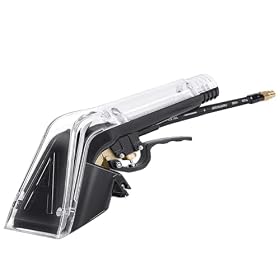
Best Upholstery Cleaner Attachment for Sofas, Cars, and Stains
The best upholstery cleaner attachment is the one that fits your machine, controls moisture, and reaches fabric without oversaturating it. Use this guide to compare compatibility, tool design, and cleaning performance before buying.
Best upholstery cleaner attachment
The best upholstery cleaner attachment is not necessarily the widest or most powerful-looking tool. It should be compatible with your carpet cleaner or wet/dry extractor, apply a controlled amount of solution, and remove enough water to avoid leaving upholstery damp for too long. Before buying, check the connection type, hose size, tool width, spray pattern, and whether the attachment is designed for extraction rather than dry vacuuming.
What to look for in an upholstery cleaner attachment
Confirm machine and hose compatibility
Start with the carpet cleaner or extractor manual. Upholstery tools are not universally interchangeable, even when the fittings look similar. Check:
The brand and model compatibility list
Hose diameter and connection style
Whether the tool needs a separate solution line
Whether the machine supports spray extraction
Any adapter requirements
Avoid forcing an attachment onto a hose or modifying a connection. A loose fit can reduce suction and leak cleaning solution; an incorrect fitting can damage the hose or tool.
Choose a narrow tool for furniture and car interiors
A narrow upholstery attachment is easier to control on cushions, armrests, stairs, and vehicle seats. It can also reach seams and tighter spaces more easily than a full-size carpet head. A wider tool may cover cushions faster, but it can be awkward on curved surfaces and may make it harder to keep spray inside the fabric area.
For occasional spot cleaning, a compact hand tool is usually the most practical choice. For frequent cleaning of sofas, dining chairs, or vehicle interiors, consider a tool with a comfortable grip and a transparent recovery path so you can see whether dirty water is being extracted.
Look for controlled spray and strong water recovery
Upholstery can be damaged by excess moisture, especially when it has dense padding or delicate fibers. A useful attachment should let you apply a controlled spray and make several slow extraction passes. Some designs place the spray close to the suction opening, helping keep the treated area compact.
The attachment itself cannot overcome a clogged filter, restricted hose, or weak machine. If your cleaner has poor suction, resolve that problem before assuming the tool is defective.
Consider the nozzle shape
A clear or open suction path can make it easier to spot hair, lint, and debris buildup. A smooth nozzle edge is helpful on fabric because it is less likely to catch fibers than a rough or damaged edge. If the tool includes a brush, use light pressure and follow the upholstery manufacturer's care instructions.
Do not assume that a brush attachment is suitable for every fabric. Loose-weave, velvet-like, antique, or easily snagged upholstery may require a gentler method or professional cleaning.
Best attachment types for common jobs
Sofa and chair cushions
Choose a compact spray-extraction hand tool with a narrow suction opening. The tool should be easy to lift and maneuver without pressing hard into the cushion. Test cleaning on a hidden area first, and avoid saturating the padding.
Car seats and door panels
A slim attachment is usually easier to use around seat bolsters, seams, and center consoles. For vehicle interiors, hose flexibility and tool height matter as much as the cleaning head. A bulky attachment can be difficult to keep flat against contoured seats.
Check whether the surface is fabric, vinyl, leather, or synthetic leather before applying solution. A carpet-cleaning attachment may be appropriate for fabric seats but not for leather or materials that should not be wet-extracted.
Stairs and small carpeted areas
A small upholstery tool can work well on stair treads and edges where a standard carpet head is too large. Use extra care near stair nosing and avoid pulling the hose in a way that could make you lose balance.
Pet messes
For pet stains, the attachment is only part of the process. Remove solid debris first, use a compatible cleaning formula, and make slow extraction passes. An attachment with a narrow opening can help target the affected area without wetting a large section of the cushion.
Odor that remains after extraction may be in the padding rather than on the surface. Repeatedly soaking the area can make drying slower and increase the risk of lingering odor or material damage.
Product prices and availability are accurate as of the date/time indicated and are subject to change. Any price and availability information displayed on Amazon.com at the time of purchase will apply to the purchase of this product.
How to use an upholstery attachment correctly
Read the upholstery and machine instructions. Check the fabric cleaning code and confirm that wet extraction is allowed.
Vacuum loose dirt first. Hair, crumbs, and grit can clog the tool or become mud when mixed with solution.
Test a hidden spot. Look for color transfer, bleeding, shrinkage, or texture changes after the test area dries.
Apply limited solution. Use the recommended formula and avoid flooding the fabric.
Move slowly during extraction. Make overlapping passes without pushing aggressively into the cushion.
Make dry passes afterward. Continue extracting without spraying to remove additional moisture.
Dry the upholstery completely. Improve airflow with ventilation or fans, but follow material-care instructions and avoid excessive heat.
Rinse and inspect the tool. Flush or clean the attachment as directed so residue does not block the spray opening or suction path.
Product prices and availability are accurate as of the date/time indicated and are subject to change. Any price and availability information displayed on Amazon.com at the time of purchase will apply to the purchase of this product.
Common buying mistakes
Buying an attachment without checking the connector
A tool may look like a match but still require a different hose fitting or solution connection. Compatibility should be confirmed before purchase.
Choosing the widest tool for every job
A wide head can save time on large flat surfaces, but upholstery is often curved, narrow, or padded. Better control is usually more valuable than maximum coverage.
Ignoring replacement parts
Check whether spray tips, seals, hoses, and tool heads are available separately. A replaceable seal or nozzle can extend the life of the attachment, while a tool with no supported parts may be harder to maintain.
Using too much detergent
Extra formula does not necessarily improve cleaning. It can leave residue, create more foam, and require additional rinsing. Follow the machine and formula directions instead of increasing the concentration.
Troubleshooting an upholstery attachment
The tool has weak suction
Empty the recovery tank or collection container.
Check whether the tank lid or gasket is seated correctly.
Remove visible hair or lint from the suction opening.
Inspect the hose for kinks or blockages.
Clean or replace the machine's filter if the instructions allow it.
Check the attachment seal for cracks, warping, or a loose fit.
If suction is still weak, the restriction may be in the machine, hose, pump, or motor. Unplug the cleaner before inspecting it further, and follow the manufacturer's service guidance.
The attachment sprays poorly
Confirm that the clean-water tank contains the correct mixture.
Check that the solution line is connected.
Inspect the spray tip for dried formula or debris.
Clean the nozzle only as directed; do not enlarge the opening with a sharp object.
Make sure the machine is set for the correct cleaning mode.
If the pump makes unusual noises, leaks, or fails to prime, stop using the machine and consult the manual or a qualified repair professional.
The upholstery stays too wet
Use less solution, slow down your passes, and make additional passes without spraying. Check for restricted suction, an improperly seated recovery tank, or a worn tool seal. If the fabric is still unusually wet, stop and allow it to dry before repeating the process.
The tool leaks
Inspect the hose connection, solution line, tank seals, and tool body. Replace damaged O-rings, gaskets, or hoses only with compatible parts recommended for the machine. Do not use electrical equipment around standing water or damaged cords.
When to replace the attachment
A replacement attachment is reasonable when the nozzle is cracked, the spray tip is permanently damaged, the seal no longer fits tightly, or the hose connection keeps leaking after cleaning and reseating it. If the machine itself has poor suction or pump problems, buying a new attachment may not solve the issue.
For a cleaner that is old, unreliable, or difficult to find parts for, replacing the entire machine may make more sense than accumulating adapters and unsupported tools. Always compare the cost and availability of compatible parts before deciding.
FAQ
Can I use any upholstery attachment with my carpet cleaner?
No. Check the cleaner's manual for compatible tool models, hose fittings, solution connections, and any required adapters. A tool that fits loosely may leak or reduce suction.
What size upholstery attachment is best?
A compact or narrow tool is generally easiest to control on sofas, chairs, car seats, and stairs. A wider tool can cover flat cushions faster but may be harder to use on curved or tight areas.
Can an upholstery attachment clean leather?
Not automatically. Many upholstery extraction tools are intended for fabric, while leather and synthetic leather may require a separate cleaner and method. Follow the material manufacturer's care instructions and test any product in a hidden area.
Why is my upholstery attachment leaving too much water behind?
Check for a full recovery tank, clogged filter or hose, poor tank seals, a loose attachment connection, or a damaged suction edge. Also reduce the spray amount and make slower dry extraction passes.