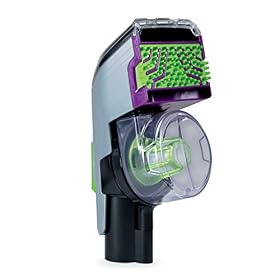
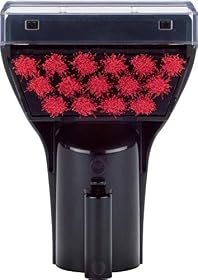
A carpet cleaner brush set too low or running too aggressively can catch and pull looped rug fibers. Stop immediately, inspect the rug, then use the gentlest manufacturer-approved cleaning method.
If a carpet cleaner brush is catching, dragging, or pulling the loops of a rug, stop the machine and lift it away from the surface. Loop-pile rugs can snag when a rotating brush is set too low, pushed too slowly, or used with the wrong cleaning head. Continuing can pull loops, stretch the backing, or create visible runs.
Why loop rugs are vulnerable
Loop-pile rugs are made with yarn that remains looped rather than being cut at the surface. A rotating brush can catch those loops, especially when:
The brush height is too low
The cleaner is designed mainly for cut-pile wall-to-wall carpet
The rug has a loose, chunky, or high loop
The machine is pushed slowly or held in one place
A loop is already loose or damaged
The rug has a delicate fiber or unstable backing
A brush that feels effective on dense cut-pile carpet may be too aggressive for a loop rug. The safest approach is to follow the rug manufacturer's care instructions first, then the carpet cleaner manufacturer's guidance for rugs and brush settings.
What to do immediately
Turn off and unplug the cleaner. Do not pull the machine while the brush is still rotating.
Lift the cleaner straight up. Avoid dragging it across the rug while the brush is engaged.
Inspect the area in good light. Look for pulled loops, fuzzing, runs, loose yarn, backing movement, or a visible change in pile direction.
Do not cut a pulled loop immediately. Cutting it can make the damage spread. Secure or repair it according to the rug manufacturer's recommendations, or ask a rug repair professional.
Blot excess moisture. If the rug is wet, use clean towels and allow it to dry with airflow. Do not scrub the affected spot.
If the rug is antique, handmade, wool, viscose, silk, braided, or has a loose backing, stop machine cleaning and consult a professional rug cleaner. These rugs can be damaged by agitation, moisture, heat, or incorrect detergent even when the brush height appears correct.
Product prices and availability are accurate as of the date/time indicated and are subject to change. Any price and availability information displayed on Amazon.com at the time of purchase will apply to the purchase of this product.
Adjust the machine before trying again
Only resume if the rug and cleaner are both approved for this type of use.
Raise the brush height
Set the cleaner to its highest or least-aggressive approved setting, if the machine provides one. The brush should not press forcefully into the rug. Make a short test pass in a hidden area while watching and listening for:
Loops lifting or catching
A repeated ticking or thumping sound
The machine pulling itself forward
Excessive resistance at the handle
Fibers wrapping around the brush
If any of these occur, stop. A height adjustment may reduce contact, but it cannot make an unsuitable rotating brush safe for every loop rug.
Use the correct cleaning head
Some carpet cleaners offer a hose, hand tool, upholstery tool, or suction-only method. These options may reduce contact with the rug surface, but use them only when the manufacturer permits them for the rug material. Keep the tool moving, use light pressure, and avoid saturating the rug.
Do not remove guards, disable safety features, or modify the brush assembly to make the machine fit the rug. If the manual does not describe rug cleaning or a safe brush setting, choose another cleaning method.
Change your movement
If the rug is approved for machine cleaning, use slow, straight passes without stopping over one spot. Do not make tight turns with the brush engaged. Keep overlapping passes modest, and avoid repeatedly working the same area.
For a loose or lightweight rug, check whether the cleaner is pulling the rug into the brush. A rug pad may help stabilize some rugs, but it will not prevent brush snagging if the cleaning head is fundamentally too aggressive.
Product prices and availability are accurate as of the date/time indicated and are subject to change. Any price and availability information displayed on Amazon.com at the time of purchase will apply to the purchase of this product.
Check the cleaner for physical problems
A setting may not be the only cause. Unplug the machine before inspecting it, and follow the owner's manual for access to the brush area.
Inspect the brush and nozzle
Remove wrapped fibers, thread, and debris only as the manual allows. Check whether the brush spins freely, sits evenly, and has damaged bristles or a loose end cap. A warped brush, worn bearing, or obstructed nozzle can create uneven contact and catch loops more readily.
Do not reach into a brush assembly while the machine is connected to power. If the brush will not turn freely by the approved manual procedure, replace the relevant brush or have the machine serviced.
Check the filter, tank, and hose
Restricted suction can leave more water behind and make the machine harder to move, while a blocked hose or full recovery tank can change how the cleaner behaves. Before blaming the brush setting, check:
The dirty-water tank is empty and seated correctly
The recovery float is not obstructed
Filters are clean, dry, and installed correctly
The hose and nozzle are free of lint or debris
The brush cover and nozzle are fully latched
These checks will not fix an inherently unsuitable brush, but they can prevent abnormal drag, poor extraction, or uneven cleaning.
Check for leaks and incorrect assembly
Inspect tank seals, the nozzle connection, and hose fittings. An air leak can reduce suction, and an incorrectly installed nozzle can alter the cleaner's contact with the rug. Reassemble parts only as shown in the manual; do not add tape or improvised spacers near moving parts.
When not to use the rotating brush
Use a non-rotating or lower-agitation method instead when:
The rug's care label says not to use a machine or rotating brush
The loops visibly lift during a test pass
The rug has a loose, shaggy, or highly textured loop
The backing shifts, curls, or becomes wet quickly
The cleaner has no approved rug setting
The rug is valuable, handmade, or made from a moisture-sensitive fiber
For a small spot, blotting with a suitable cleaner and a white cloth may be safer than running a full-size machine across the rug. Always test the cleaning formula in an inconspicuous area and follow the rug and formula instructions. Avoid over-wetting, because moisture trapped in the backing can cause odor, dye bleeding, or damage to the floor beneath.
When to repair or replace something
Replace the machine's brush, nozzle, or damaged attachment when inspection finds worn bristles, a bent component, or a brush that does not rotate correctly. Use only parts specified for the cleaner.
Replace the rug only when its backing, seams, or loops are extensively damaged and repair is not practical. A few pulled loops may be repairable, but professional help is worthwhile when the damage is spreading or the rug has significant value.
If the cleaner repeatedly catches the rug even at its highest approved setting, the reasonable next step is to stop using that machine on the rug—not to force a lower setting or make a DIY modification. Choose a method designed for delicate rugs or arrange professional cleaning.
Only if the rug manufacturer and carpet cleaner manufacturer allow it. Use the least-aggressive approved setting, test a hidden area first, and stop if the brush catches or lifts the loops.
Why is my carpet cleaner pulling loops from the rug?
The rotating brush may be set too low, too aggressive for the rug, obstructed, damaged, or unsuitable for that loop construction. Loose or previously damaged loops are especially easy to catch.
Should I cut a loop that has been pulled?
Usually not immediately. Cutting a pulled loop can allow the damage to spread. Have it secured or repaired according to the rug manufacturer's instructions, especially if the rug is valuable.
What can I use instead of a rotating brush?
If approved for the rug, use a hose or upholstery-style tool with light pressure and controlled moisture. For delicate, handmade, antique, or moisture-sensitive rugs, professional rug cleaning is safer.