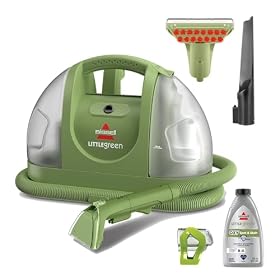
A portable carpet extractor can remove embedded dirt, spills, and pet or work-van odors from seats, carpets, mats, and fabric panels. Here is what to look for before buying.
Extractor for a van interior
The best extractor for a van interior is usually a compact portable carpet cleaner with a narrow upholstery or stair tool, separate clean- and dirty-water tanks, and enough hose to reach the rear cargo area. Choose a smaller unit for occasional spot cleaning, or a higher-capacity extractor when you clean multiple vehicles regularly.
What an extractor does
An extractor sprays cleaning solution into fabric and immediately vacuums up the loosened dirt and moisture. It is useful for:
Cloth seats and floor carpet
Removable floor mats
Cargo-area carpeting
Fabric door panels and trim
Spills, food stains, and tracked-in dirt
Pet messes and general vehicle odors
Extraction is different from simply spraying cleaner onto upholstery. Leaving fabric saturated can create slow drying, water marks, mildew odors, or damage to materials that should not be soaked. Always check the vehicle and cleaner manufacturer's instructions first.
Choosing the right extractor
Portable carpet cleaner for occasional van cleaning
A household portable carpet cleaner is often the most practical choice for one van or occasional interior work. Look for a compact body that is easy to carry around the vehicle, a narrow tool for seats and floor edges, and a hose that can reach from the doorway into the cargo area.
A smaller tank reduces weight but may require more frequent refilling and emptying. That is a reasonable tradeoff when you are cleaning a few stains rather than an entire fleet.
Larger extractor for frequent or full-interior cleaning
A larger portable extractor makes more sense for repeated detailing, several vans, or heavily soiled interiors. Its larger tanks can reduce interruptions, but the machine may be heavier and less convenient to move around tight door openings.
Do not choose based on tank size alone. Compare the machine's weight, hose reach, tool width, storage footprint, and whether replacement parts are available.
Upholstery tool and narrow nozzle
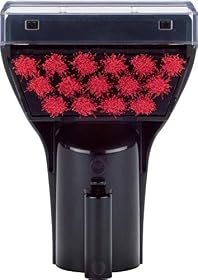
A wide floor head can be awkward on seats and narrow footwells. A dedicated upholstery tool gives you better control on cushions, seat bolsters, and door panels. A narrow tool is especially useful around seat rails, seams, wheel wells, and cargo-area edges.
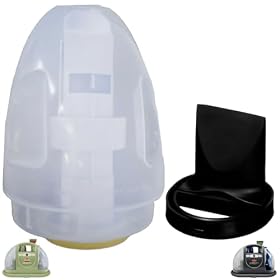
If the extractor does not include the tool you need, check that compatible replacement or accessory tools are available before buying.
Product prices and availability are accurate as of the date/time indicated and are subject to change. Any price and availability information displayed on Amazon.com at the time of purchase will apply to the purchase of this product.
Specifications that matter in a van
Separate clean- and dirty-water tanks
Separate tanks keep recovered water away from the cleaning solution. This makes filling, emptying, and rinsing easier. A removable dirty-water tank is helpful because it can be emptied promptly after use instead of leaving contaminated water inside the machine.
Hose length and cord length
A short hose may force you to carry the machine into the van or repeatedly reposition it. A longer hose can let the extractor stay outside while you clean seats and cargo carpeting, but it may be heavier to store and manage.
If you use the extractor outdoors, use a properly rated grounded extension cord only when the manufacturer permits it. Keep electrical connections away from water, and do not operate an electrically powered machine in wet conditions that the instructions prohibit.
Suction and water recovery
Strong water recovery is important because the goal is to remove moisture, not just apply it. Manufacturers may describe performance differently, so avoid comparing one suction number with another unless the measurements use the same standard.
In practical terms, favor a model with a well-sealed hose and tool, clear recovery of dirty water, and controls that let you limit how much solution is sprayed. Make slow passes over fabric and additional vacuum-only passes after spraying.
Tool width and access
A narrow tool is usually better for a vehicle than a large floor head. It can fit between seats and reach the front of footwells, while a wider head may cover flat cargo carpet faster. If you clean both seats and a large cargo area, a machine with more than one compatible tool is more versatile.
Tank capacity and machine weight
A larger tank means fewer stops, but water adds substantial carrying weight. Consider whether you must lift the machine into a garage, carry it across a parking lot, or place it on a vehicle step.
For mobile work, a lighter extractor with a manageable tank can be more useful than a large machine that is difficult to transport. For stationary shop use, capacity may matter more than portability.
Product prices and availability are accurate as of the date/time indicated and are subject to change. Any price and availability information displayed on Amazon.com at the time of purchase will apply to the purchase of this product.
Check the van's materials first
Not every interior surface should be wet-extracted. Before cleaning:
Read the vehicle owner's manual and any seat or trim-care labels.
Identify cloth, vinyl, leather, suede-like material, rubber, and plastic separately.
Test the formula on a hidden area for color transfer or discoloration.
Keep water away from door switches, wiring, fuse areas, and other electrical components.
Leather, vinyl, delicate headliners, and loose fabric may require a different cleaning method. Do not assume that a carpet extractor is suitable for every surface in the cabin.
Product prices and availability are accurate as of the date/time indicated and are subject to change. Any price and availability information displayed on Amazon.com at the time of purchase will apply to the purchase of this product.
How to extract a van interior
1. Vacuum first
Remove loose dirt, sand, hair, and debris before applying liquid. Use a crevice tool around seat rails and seams. Pre-vacuuming helps prevent the extractor's tool and dirty-water path from clogging.
2. Remove mats when possible
Clean removable mats outside the vehicle when practical. This gives you better access to the carpet underneath and reduces the chance of leaving moisture trapped in the footwell.
3. Apply as little solution as necessary
Use a formula approved for the machine and follow its dilution instructions. More detergent does not necessarily produce a cleaner result; excess residue can attract dirt and make fabric feel stiff or sticky.
4. Work in small sections
Spray a controlled amount over one section, then make slow vacuum passes. Avoid holding the spray trigger continuously over seats or carpet. Follow with several passes without spraying to recover as much moisture as possible.
5. Dry the interior completely
Open doors or windows when safe and practical, and use ventilation to move air through the vehicle. Do not close up a damp van immediately. If upholstery remains wet for an extended period, it can develop odors or other moisture-related problems.
Product prices and availability are accurate as of the date/time indicated and are subject to change. Any price and availability information displayed on Amazon.com at the time of purchase will apply to the purchase of this product.
Cleaning heavily soiled or pet-affected areas
For ground-in dirt, allow the approved formula to dwell only for the time specified by its instructions. Agitate gently with a suitable upholstery brush, then extract. Aggressive brushing can fuzz carpet, damage upholstery fibers, or spread a stain.
For pet urine or organic odors, an appropriate enzyme-based product may be more suitable than a general carpet formula. Confirm that it is compatible with the surface and extractor. Extraction can remove contamination, but severe odor in padding or foam may require repeated treatment or professional cleaning.
When a spot cleaner is not enough
A compact extractor is a good fit when you need to clean isolated stains, seats, mats, or a small cargo area. Consider a larger commercial-style unit or professional service when:
The entire interior is heavily contaminated
Water has soaked deeply into seat foam or carpet padding
There is mold, sewage, or another hazardous contaminant
The vehicle has persistent odor after proper cleaning and drying
You need to clean multiple vans continuously
A replacement unit is reasonable when the existing extractor has a cracked tank, leaking hose, failed pump, damaged power cord, or poor water recovery and the required part is unavailable or costs nearly as much as a suitable replacement. Unplug the machine before inspecting it, and have electrical repairs handled by a qualified professional when you are not equipped to perform them safely.
FAQ
What size extractor is best for a van interior?
A compact portable extractor is suitable for occasional seat, mat, and spot cleaning. Choose a larger-capacity portable unit when you clean the entire interior frequently or work on multiple vans, but account for its added weight and storage needs.
Can I use a carpet extractor on van seats?
You can use one on compatible fabric seats when the vehicle and machine instructions allow wet cleaning. Avoid soaking leather, vinyl, headliners, electrical controls, airbags, and other surfaces that are not designed for extraction.
How do I keep a van interior from staying wet after extraction?
Use limited solution, make slow vacuum passes, and follow with several vacuum-only passes. Remove mats when possible, ventilate the cabin, and leave doors or windows open when safe until the upholstery and carpet are fully dry.
What cleaning solution should go in a van extractor?
Use a formula approved for the extractor and suitable for the specific upholstery or carpet. Follow the stated dilution instructions and test a hidden area first to check for color transfer or damage.
Is a portable extractor better than a shop vacuum for a van interior?
A carpet extractor sprays and recovers cleaning solution, so it is designed for wet-cleaning fabric. A wet/dry vacuum can recover liquid and debris but generally does not provide the same integrated spray-and-extraction process unless used with compatible accessories.