Best cleaner for a rental you cannot replace the carpet
For a rental with carpet you cannot replace, choose a machine that extracts dirty water well, offers useful attachments, and lets you control moisture. A portable extractor is usually best for isolated stains, while a full-size upright cleaner is better for cleaning several rooms before move-out.
Best cleaner for a rental you cannot replace the carpet
The best carpet cleaner for a rental is one that removes stains without leaving the carpet soaked, discolored, or damaged. For a few spots, choose a portable extractor with a brush tool and a clear recovery tank. For multiple rooms or a move-out clean, a full-size upright carpet cleaner generally makes more sense because it covers more carpet efficiently and can extract more water in fewer passes.
Before cleaning, check your lease and ask the landlord or property manager whether there are restrictions on carpet cleaning methods or solutions. Always test the machine and formula on a hidden area first.
What matters most in a rental carpet cleaner
Strong water extraction
Extraction is more important than simply spraying more cleaning solution. A cleaner should lift dirty water back into its recovery tank so the carpet dries promptly. Excess moisture can cause odors, browning, ripples, adhesive problems, or damage to the flooring underneath.
Look for:
A separate clean-water and recovery-water tank
A visible recovery tank, so you can tell whether water is being collected
A suction-only or water-extraction pass
Controls that let you avoid repeated wet passes
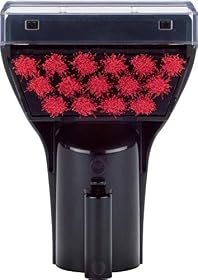
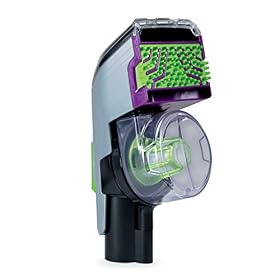
A hose and hand tool for stairs, edges, and isolated stains
No carpet cleaner can guarantee that it will not over-wet carpet. Use the amount of solution specified by the manufacturer and make extra slow passes with the spray trigger released to recover moisture.
A brush that suits the carpet
Rotating brushes can help loosen embedded soil, but aggressive brushing may damage delicate, looped, antique, or worn carpet. If the rental has Berber-style loops, loose fibers, heavily worn areas, or uncertain carpet construction, use a gentler setting if available and avoid scrubbing the same spot repeatedly.
A hand tool is valuable for small stains because it limits the wet area. It also lets you clean close to baseboards and furniture without repeatedly running a large machine over the entire room.
Compatible cleaning formula
Use a formula labeled for the machine and carpet type. Do not assume that extra detergent will clean better. Too much solution can leave sticky residue that attracts new soil and may create a visible cleaned patch.
Avoid mixing carpet chemicals, bleach, ammonia, dish soap, or household disinfectants unless the carpet and machine manufacturer specifically allows them. If a stain is from pet urine, vomit, oil, dye, or a chemical product, identify the stain before choosing a treatment. Some products can set stains or alter carpet color.
Practical tank and hose design
A rental cleaning job can involve many refills and dump-outs. A clean-water tank with a useful handle and a recovery tank that is easy to remove can make the job less frustrating. Portable units are easier to carry upstairs and use on furniture, but they require more tank changes when cleaning large areas.
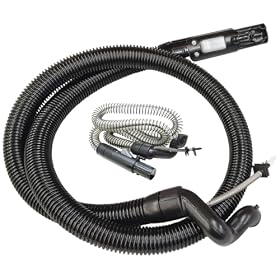
A long hose helps with stairs and awkward spaces, but it adds storage and setup considerations. Check that the attachment you need is included rather than assuming every machine has a stair or upholstery tool.
Which type is best for your rental?
Portable carpet extractor: best for spots and small areas
Choose a portable cleaner when you mainly need to handle pet accidents, entryway stains, stairs, upholstery, or a few high-traffic areas. It is easier to control around furniture and creates less disruption than moving a full-size machine through the home.
Its limitations are slower whole-room cleaning and smaller tanks. If you need to clean an entire apartment or house, a portable unit may require frequent refilling and emptying.
Full-size upright carpet cleaner: best for several rooms
An upright extractor is usually the more practical choice for a move-out clean or multiple carpeted rooms. Its wider cleaning path covers more area, and the larger tanks can reduce interruptions.
An upright can be bulky on stairs and harder to use around furniture. It also makes it easier to apply too much water if you move too quickly or make too many wet passes. Plan a dry route through the home and keep the machine moving rather than stopping with the spray engaged.
Rental or professional extraction service: best for a heavily soiled property
For extensive staining, strong odors, or a large home, compare the cost and risk of renting a commercial extractor or hiring a professional. A professional may be the safer choice when the carpet is expensive, the warranty or lease has strict requirements, or the stain involves sewage, extensive pet urine, mold, or an unknown chemical.
Ask what equipment and solution will be used, how much drying time is expected, and whether the provider has experience with the carpet type. Do not allow anyone to promise that every stain can be removed without affecting the carpet.
Portable cleaner for rental carpet stains and pet accidents
Product prices and availability are accurate as of the date/time indicated and are subject to change. Any price and availability information displayed on Amazon.com at the time of purchase will apply to the purchase of this product.
A safe cleaning process for rental carpet
Read the carpet and machine instructions. Confirm that wet extraction is suitable. Some carpet, padding, backing, and flooring combinations require special care.
Vacuum slowly first. Remove dry soil and hair before adding water. For pet hair, make multiple passes or use a suitable attachment.
Inspect and photograph existing damage. Document worn areas, stains, tears, discoloration, and loose seams before cleaning.
Pre-treat carefully. Use only a compatible product, apply it sparingly, and follow its dwell-time instructions.
Test a hidden section. Check for color transfer, bleaching, texture change, or browning after the area dries.
Clean in small sections. Follow the machine’s recommended movement speed. Do not repeatedly soak a stain when it is not responding.
Make dry extraction passes. Release the spray trigger and move slowly over the area to recover as much water as possible.
Improve airflow. Open windows when conditions allow, run fans, and avoid walking on damp carpet. Keep pets and children away until the carpet is fully dry.
Inspect after drying. A stain that reappears may be residue or soil wicking up from the backing. Do not immediately saturate the area again.
Product prices and availability are accurate as of the date/time indicated and are subject to change. Any price and availability information displayed on Amazon.com at the time of purchase will apply to the purchase of this product.
Stains you should not aggressively chase
Some stains permanently alter carpet fibers or dyes. Hair dye, red dye, bleach, rust, nail polish, paint, and long-standing pet urine may require professional treatment or carpet repair. Repeated scrubbing can make the spot larger and more visible.
If the carpet has a musty odor, visible mold, sewage contamination, or significant water damage, stop using a household carpet cleaner. Contact the property manager and an appropriate remediation professional. Electrical equipment should be kept away from standing water, and damaged cords or plugs should not be used.
Replacement parts for a cleaner that loses suction or leaks
Product prices and availability are accurate as of the date/time indicated and are subject to change. Any price and availability information displayed on Amazon.com at the time of purchase will apply to the purchase of this product.
When buying a cleaner makes sense
Buy a machine if you expect recurring pet accidents, frequent spills, or regular cleaning in the rental and have a dry storage area. A portable extractor is usually the more versatile choice for spot cleaning and upholstery. Choose an upright only when you have enough carpet to justify its size and expect to clean whole rooms.
For a one-time move-out job, renting an appropriate extractor or hiring a professional may be more economical than storing a machine. If a cleaner leaves carpet wet for an unusually long time, loses suction, leaks, or repeatedly leaves residue, stop using it and check the tanks, filter, hose, seals, and formula setup before considering another cleaning pass.
FAQ
Is a portable carpet cleaner or upright better for a rental?
A portable extractor is better for isolated stains, stairs, upholstery, and small apartments. An upright cleaner is more efficient for several rooms or a full move-out cleaning, but it is heavier and requires more care to avoid over-wetting.
How do I avoid damaging carpet in a rental?
Check the lease and carpet-care instructions, vacuum first, test a hidden area, use a compatible formula, avoid excess detergent, and make slow dry passes after spraying. Stop if the carpet changes color, texture, or begins to stay wet.
Can I use a carpet cleaner on pet urine in a rental?
You can treat a small, recent accident with a compatible pet-stain product and an extractor, but repeated or deep urine contamination may extend into the pad or subfloor. Contact the property manager and consider professional treatment for persistent odor or widespread damage.
How long should rental carpet take to dry after cleaning?
Drying time depends on carpet, padding, humidity, airflow, and how much water was used. Improve ventilation with fans and keep traffic off the carpet until it is fully dry. If it remains wet or develops an odor, stop adding water and investigate the cause.