How much water a carpet cleaner should leave behind
A carpet cleaner should leave carpet damp, not saturated. Learn what normal moisture feels like, how long drying may take, and how to improve water extraction safely.
After carpet cleaning, the fibers should feel damp to the touch but should not be soggy, squishy, or leave water on your hand. In typical conditions, a properly extracted carpet may take several hours to dry; thicker carpet, heavy soil, high humidity, and poor airflow can extend that time.
The exact amount of water left behind depends on the carpet cleaner, carpet construction, cleaning solution, number of wet passes, and how quickly you make dry passes. The goal is not to remove every trace of moisture immediately—it is to rinse and loosen soil while extracting as much liquid as practical.
What properly cleaned carpet should feel like
A normally extracted carpet may have these signs:
The pile feels cool and slightly damp.
It does not feel squishy underfoot.
No water beads up when you press the fibers.
A clean, dry towel pressed firmly onto the carpet picks up little or no free water.
The carpet gradually becomes drier with ventilation.
If the carpet feels saturated, produces a sloshing or squishing sensation, or remains very wet overnight, too much water may have been applied or too little has been recovered.
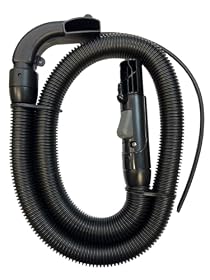
Replacement suction hose for a carpet cleaner with weak water recovery
Product prices and availability are accurate as of the date/time indicated and are subject to change. Any price and availability information displayed on Amazon.com at the time of purchase will apply to the purchase of this product.
How long should carpet take to dry?
Many carpets dry within a few hours when they receive good airflow. Drying can take longer when:
The carpet has dense or long fibers.
The pad underneath absorbed water.
The room is cool, humid, or poorly ventilated.
Several wet passes were made.
The carpet was heavily soiled and required repeated treatment.
Furniture or other objects block air movement.
Do not put furniture back until the carpet is substantially dry. If furniture must be returned sooner, use appropriate protective barriers recommended by the carpet or furniture manufacturer.
Use fans, open windows when outdoor conditions are suitable, and dehumidification to move moisture out of the room. Avoid directing excessive heat at carpet, because high heat can damage some fibers, adhesives, or backing materials.
Replacement recovery tank seal or gasket for a leaking carpet cleaner
Product prices and availability are accurate as of the date/time indicated and are subject to change. Any price and availability information displayed on Amazon.com at the time of purchase will apply to the purchase of this product.
Why a carpet cleaner leaves water behind
Too many spray passes
The spray or wash pass applies solution and water. Repeating that pass adds more liquid. For routine cleaning, follow the machine manufacturer's instructions and avoid extra wet passes unless the directions specifically call for them.
Not enough extraction passes
A slow, steady recovery pass gives the machine more time to lift water. After spraying, release the spray trigger and make additional slow passes according to the machine instructions. These passes should extract rather than apply more solution.
Do not move so slowly that the carpet becomes flooded. The correct pace depends on the machine and carpet, so the manual takes priority.
A full recovery tank
When the dirty-water or recovery tank reaches its fill line, suction can decline or the machine may stop recovering normally. Empty and reinstall the tank before continuing. Make sure the tank is seated and latched correctly.
A clogged nozzle, brush area, or hose
Lint, pet hair, carpet fibers, and dried cleaning solution can restrict the suction path. Unplug the cleaner, then inspect and clean the accessible nozzle, brush area, hose opening, and recovery-water path as directed by the manufacturer.
Never put your fingers near a moving brush or attempt to clear a blockage while the machine is connected to power.
A dirty or damaged filter
Some machines use filters, screens, or lint traps that must be cleaned regularly. A blocked filter can reduce airflow and water recovery. Clean or replace it only as the manual specifies, and let washable parts dry fully before reinstalling them.
A poor seal around the tank or nozzle
A loose recovery tank, damaged gasket, missing lid, or worn nozzle seal can allow air to leak. Check that removable parts are seated evenly and that seals are clean. Replace a damaged seal or tank component with the correct part rather than improvising a gasket.
Incorrect setup or formula
Too much cleaning solution can leave residue that makes carpet feel sticky and may slow drying. Use the recommended formula and dilution. Do not substitute dish soap, laundry detergent, or other household cleaners unless the carpet and machine manufacturers specifically approve them.
How to check whether carpet is too wet
You can make a basic check without special equipment:
Wait until the machine has completed its instructed extraction passes.
Press a clean, dry, absorbent towel firmly onto an inconspicuous area.
Check whether the towel is merely damp or becomes noticeably wet.
Feel the carpet for squishing, standing water, or moisture rising when compressed.
Check the same area again after an hour or two of airflow.
A towel test is only an indication, not a substitute for professional moisture inspection. Carpet padding and the subfloor can retain moisture even when the surface feels relatively dry.
What to do if the carpet is too wet
Stop adding solution and water. Empty the recovery tank if it is full, then check the tank seating, filter, nozzle, hose, and accessible suction path. If the machine is operating normally, make additional dry extraction passes without pressing the spray trigger, following the manufacturer's instructions.
Increase safe airflow with fans and a dehumidifier. Keep people and pets off the carpet when practical, since traffic can push moisture deeper into the pile and pad.
If a large area remains wet, the pad is soaked, a musty odor develops, or moisture may have reached wood flooring or drywall, contact a professional carpet or water-damage technician. Persistent dampness can contribute to odor, delamination, dye migration, or microbial growth.
When the machine may need service or replacement
A replacement part may be reasonable when the cleaner has a visibly damaged tank seal, cracked recovery tank, worn nozzle, blocked hose that will not clear, or a filter that is no longer serviceable. Use a part listed for the exact machine model.
Service is more appropriate when the machine has weak suction despite a clean filter, empty tanks, clear hoses, and properly seated seals. Electrical faults, burning smells, unusual motor noise, damaged cords, or repeated shutdowns require stopping use and following the manufacturer's service guidance. Do not open or repair the electrical components unless you are qualified to do so.
A replacement cleaner may make more sense when an older machine needs several major parts, has persistent loss of suction, or cannot extract water adequately after basic maintenance. Compare the cost and availability of correct parts with the condition and age of the unit.
Should carpet be completely dry immediately after using a carpet cleaner?
No. Carpet will normally be damp after cleaning. It should not be saturated or leave standing water, and it should gradually dry with adequate airflow.
How many passes should I make with a carpet cleaner?
Follow the machine's manual. In general, make the instructed spray pass, then use slow extraction passes without spraying to recover moisture. Too many wet passes can over-wet carpet.
Why is my carpet still wet the next day?
Possible causes include excessive solution, too few extraction passes, a full recovery tank, a clogged nozzle or hose, a dirty filter, a poor tank seal, high humidity, or moisture trapped in the pad. Check the machine before continuing to clean.
Can I use a fan to dry carpet after cleaning?
Yes. Fans and a dehumidifier can improve airflow and speed drying. Avoid excessive heat, which may affect carpet fibers, backing, adhesives, or flooring.
When is wet carpet a serious problem?
Persistent saturation, wet padding, musty odors, visible water beneath the carpet, or moisture near wood flooring and drywall warrants prompt attention from a professional carpet or water-damage technician.