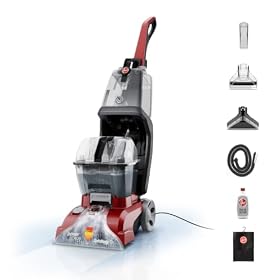
Dual-tank carpet cleaners separate clean solution from recovered dirty water, while bucket-based setups require more manual handling. Here is how the two approaches compare for stains, pets, and larger cleaning jobs.
Dual-tank machines versus transferring buckets
A dual-tank carpet cleaner is usually the more convenient choice because it keeps clean water and recovered dirty water in separate containers. You fill one tank, empty the other, and avoid repeatedly transferring water with a bucket. A bucket can still be useful for small jobs, pre-treating stains, or situations where your machine’s tank is awkward to refill, but it adds handling, spills, and more opportunities to mix clean and dirty water.
How the two setups work
Dual-tank carpet cleaners
A dual-tank machine typically has:
A clean-water tank for fresh water and approved cleaning formula
A recovery tank for water extracted from the carpet
A pump or solution system that delivers cleaning liquid
A vacuum system that pulls moisture into the recovery tank
The tanks may be separate containers or two chambers in one removable assembly. The important feature is that the machine does not use the recovery water as its cleaning supply.
The basic workflow is simple: fill the clean tank, clean the carpet, monitor the recovery tank, and empty it when required. Some machines have separate fill lines or markings for water and formula, so follow the machine’s instructions rather than estimating mixture ratios.
Transferring water with buckets
A bucket-based process may involve carrying water from a sink or tub to the cleaner, emptying recovered water into a bucket, or using a bucket to refill and drain a machine with limited tank capacity. This can work, but it makes the operator part of the water-management system.
You may need to:
Fill a bucket with fresh water or diluted solution.
Carry it to the machine.
Refill the cleaner without spilling.
Empty recovered water into a separate drain-safe location.
Repeat the process as the tank or bucket fills.
This approach is manageable for a small spot-cleaning job. It becomes more inconvenient when cleaning multiple rooms, stairs, upholstery, or heavily soiled carpet.
Dual tanks versus buckets: the practical differences
Consideration
Dual-tank machine
Bucket transfer
Clean and dirty water separation
Built into the machine
Depends on careful handling
Refilling
Usually quicker and more controlled
Requires repeated carrying and pouring
Spill risk
Lower when tanks are removed and carried correctly
Product prices and availability are accurate as of the date/time indicated and are subject to change. Any price and availability information displayed on Amazon.com at the time of purchase will apply to the purchase of this product.
Why dual-tank machines are usually easier to use
Less contact with recovered water
Extracted carpet water can contain soil, detergent residue, pet contamination, and other debris. A dedicated recovery tank keeps that liquid contained until disposal. It also reduces the chance of accidentally using recovered water in another cleaning pass.
Fewer interruptions
A larger clean tank and recovery tank can reduce the number of trips to a sink or drain. The actual capacity varies by machine, and larger tanks can also make the cleaner heavier. Look for a balance between fewer refills and a weight you can comfortably lift when the tank is full.
Better control over the cleaning solution
A dedicated clean-water tank helps maintain a consistent supply of fresh water and properly diluted formula. This is especially useful when treating pet accidents or working through several rooms. Always use a formula approved for the machine and follow its dilution instructions; excessive detergent can leave residue and may increase the number of rinsing passes needed.
More predictable recovery
A recovery tank gives you a defined place to collect extracted moisture. If it fills, the machine may stop extracting, activate a float shutoff, or require you to empty it before continuing. This is generally easier to manage than a bucket that can become overfilled during manual transfer.
Product prices and availability are accurate as of the date/time indicated and are subject to change. Any price and availability information displayed on Amazon.com at the time of purchase will apply to the purchase of this product.
Where buckets can still make sense
A bucket is not automatically the wrong choice. It may be useful when:
You are cleaning one small stain or a single chair.
The machine has a small tank and you are already near a sink.
You need a separate container for rinsing removable parts.
You are pre-treating a heavily soiled area and want controlled access to water.
The machine’s instructions specifically call for a separate container during maintenance or flushing.
Do not use a bucket as a substitute for a machine’s recovery tank unless the manufacturer explicitly permits that setup. Carpet cleaners rely on specific airflow, seals, float shutoffs, and tank geometry. Improvised plumbing or open containers can cause leaks, poor extraction, or electrical hazards.
Product prices and availability are accurate as of the date/time indicated and are subject to change. Any price and availability information displayed on Amazon.com at the time of purchase will apply to the purchase of this product.
Important trade-offs when choosing a dual-tank cleaner
Tank capacity and machine weight
Tank capacity affects how often you refill and empty the machine. A larger capacity can help with multiple rooms, but a full tank adds weight and may make stairs or tight spaces harder to manage. Check both the tank size and the cleaner’s operating weight, not just the advertised capacity.
Removable versus built-in tanks
Removable tanks are generally easier to fill, empty, and rinse. They can also be easier to dry completely after use. Built-in tanks may keep the machine compact, but they can be less convenient if the opening is narrow or the tank cannot be placed directly in a sink.
Separate chambers versus separate containers
Some cleaners use one removable assembly with separate clean and dirty-water sections. Others use distinct tanks. Either design can work well if the seals are secure, the fill openings are accessible, and the recovery tank is easy to empty without splashing.
Tank cleaning and drying
Dual-tank machines still require maintenance. After cleaning:
Unplug the machine according to the manufacturer’s instructions.
Empty the recovery tank promptly.
Rinse both tanks if the instructions permit.
Remove hair, lint, and debris from screens or float areas.
Leave removable parts open or separated so they can dry.
Wipe spilled formula from the machine exterior.
A tank that remains wet and closed can develop odors or residue. Buckets have the same issue, so neither approach eliminates cleaning after use.
Product prices and availability are accurate as of the date/time indicated and are subject to change. Any price and availability information displayed on Amazon.com at the time of purchase will apply to the purchase of this product.
Which option is better for common jobs?
One or two small stains
Either setup can work. A bucket may be sufficient if you already have a compatible spot cleaner and the job requires very little solution. A dual-tank machine is more convenient if you want to avoid measuring and transferring water.
Pet stains and odors
A dual-tank cleaner is usually preferable because it separates fresh solution from recovered liquid and makes repeated passes easier. Use a formula intended for the machine and the type of stain. Avoid soaking carpet unnecessarily; excessive moisture can lengthen drying time and may affect the carpet backing or pad.
Several rooms
Choose the dual-tank approach unless there is a specific reason not to. Repeated bucket trips become tiring, and carrying open containers increases spill risk. Still, do not assume the largest tanks are always best: the machine must remain manageable when full.
Stairs and upholstery
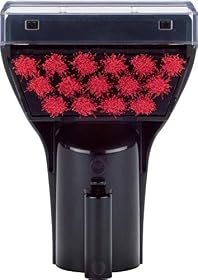
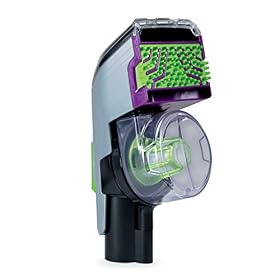
A smaller cleaner or a machine with a hose and suitable upholstery or pet tool may be easier to control than a large upright. A dual-tank design can still help, but tank weight, hose reach, and tool access may matter more than maximum capacity.
Common problems with dual-tank machines
If a dual-tank cleaner is not spraying or extracting properly, check the simple causes first:
Confirm that the clean tank is seated correctly and filled to the permitted level.
Check that the recovery tank is not full and that its lid or seal is properly installed.
Inspect the hose, nozzle, brush area, and intake path for carpet fibers or debris.
Look for a loose tank gasket or damaged seal that could allow air or water to escape.
Verify that the selected tool, mode, and formula match the manufacturer’s instructions.
Clean the filter or screen only as directed; some parts must be dry or installed in a specific position.
If the motor is unusually loud, smells hot, trips a breaker, or will not start, unplug the machine and stop using it.
Do not bypass a float shutoff or operate the cleaner with missing covers, damaged cords, leaking tanks, or exposed electrical parts. For electrical faults or persistent loss of suction, contact the manufacturer or a qualified appliance repair professional.
Bottom line
For most home carpet-cleaning jobs, a dual-tank machine is more convenient and sanitary than transferring water with buckets. It reduces carrying and pouring, keeps clean and recovered water separate, and makes multi-room cleaning more manageable. Bucket transfer remains practical for small jobs or as a supporting task, but it should not replace the machine’s designed tanks unless the manufacturer specifically allows it.
FAQ
Are dual-tank carpet cleaners better than using buckets?
For most home cleaning jobs, yes. Dual tanks reduce spills, separate clean and recovered water, and make repeated refills and emptying easier. A bucket can still be adequate for a small stain or limited spot-cleaning task.
Can I put dirty recovery water back into the clean-water tank?
No. Reusing recovery water can spread soil and contaminants, clog the system, and leave residue in the carpet. Empty the recovery tank and refill with fresh water and approved formula according to the machine’s instructions.
Do larger carpet-cleaner tanks clean better?
Not necessarily. Larger tanks can reduce interruptions, but they also make the machine heavier when full. Cleaning performance also depends on spray delivery, suction, brush action, correct formula, and using the machine at an appropriate pace.
Why does my dual-tank carpet cleaner lose suction?
Check whether the recovery tank is full, properly seated, or missing a seal. Then inspect the hose, nozzle, brush area, filter, and intake for clogs. If the machine makes an unusual electrical or motor noise, unplug it and seek manufacturer or professional service.
How should I store the tanks after cleaning?
Empty and rinse them as directed, clean accessible screens or float areas, and allow removable parts to dry before closing or storing the machine. Leaving wet tanks sealed can cause odors and residue.