Carpet Still Wet Hours After Cleaning? Causes and Fixes
Carpet that remains wet hours after cleaning usually has an extraction, airflow, setup, or moisture problem. Use this check order to find the cause and dry the carpet safely.
Carpet still wet hours after cleaning usually means the cleaner did not recover enough water, too much solution was applied, or the room and carpet padding cannot dry quickly enough. Start by checking the dirty-water tank, recovery filter, suction path, and cleaning head. Then review your technique and ventilation before assuming the motor has failed.
Do not keep making wet passes over the carpet while troubleshooting. Extra solution can push moisture deeper into the backing and pad, increasing drying time and the risk of musty odors or damage.
1. Stop adding water and improve airflow
Set the cleaner aside and help the carpet dry while you check it:
Open windows if outdoor humidity is reasonably low.
Run fans across the carpet, not just straight down at one spot.
Use air conditioning or a dehumidifier to lower indoor humidity.
Move furniture off damp areas when practical, or place protective blocks under furniture legs.
Keep people and pets off the carpet until it is dry.
A lightly damp carpet may need several hours to dry, especially in a humid room, over dense padding, or on a thick carpet. If it is still clearly wet after roughly 12 to 24 hours, investigate the cleaner and the amount of water applied. Persistent dampness beyond that window deserves prompt attention.
2. Check the dirty-water tank and recovery filter
A full or improperly seated recovery tank can stop the cleaner from extracting water effectively. Unplug the machine before inspecting it, then:
Remove and empty the dirty-water tank.
Confirm the tank lid, gasket, float, and latch are correctly positioned.
Clean the tank opening and any recovery filter according to the manufacturer’s instructions.
Check whether a float has risen and shut off suction because the tank was full.
Reinstall the tank firmly so it seals against the machine.
Some carpet cleaners have a float shutoff that sounds different or reduces suction when the tank reaches its limit. A tank that is only partly full can still cause poor recovery if its lid or seal is not seated correctly.
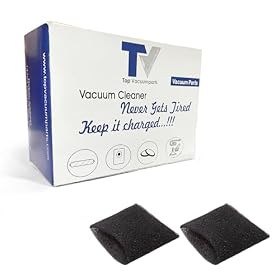
If the recovery tank is cracked, warped, or missing a seal, replacing that part is usually more sensible than continuing to operate the cleaner with an air leak.
Product prices and availability are accurate as of the date/time indicated and are subject to change. Any price and availability information displayed on Amazon.com at the time of purchase will apply to the purchase of this product.
3. Inspect the nozzle, brush area, and hose for a clog
Hair, carpet fibers, pet debris, and dried cleaning solution can block the narrow path where dirty water enters the machine. With the machine unplugged, inspect:
The suction opening behind or near the cleaning brushes
The nozzle or floor head
The hose connection
Any removable screen or lint filter
The hose interior, if the design allows access
Remove visible debris without forcing sharp objects into the hose or damaging a rubber flap. Rinse removable parts only as allowed by the manual and let them dry before reinstalling them.
A clogged nozzle can leave a visibly wet stripe or cause water to pool under the front of the cleaning head. If suction returns when the hose is disconnected from the floor head, the blockage is likely in the nozzle or head rather than the main machine.
Product prices and availability are accurate as of the date/time indicated and are subject to change. Any price and availability information displayed on Amazon.com at the time of purchase will apply to the purchase of this product.
4. Look for air leaks around seals and connections
Carpet extraction depends on an airtight path from the floor head to the recovery tank. Even a small leak can reduce water pickup. Check for:
A loose tank lid
A damaged tank gasket
A hose that is not fully inserted
Cracks in the hose or nozzle
A missing cover, cap, or rubber flap
Debris preventing a seal from sitting flat
Listen for hissing while the cleaner is running, but do not place fingers near moving brushes or electrical components. Replace damaged seals, hoses, tanks, or nozzles with parts specified for the exact machine. A generic-looking part may fit poorly and continue to leak air.
Product prices and availability are accurate as of the date/time indicated and are subject to change. Any price and availability information displayed on Amazon.com at the time of purchase will apply to the purchase of this product.
5. Review the cleaning setup and technique
The carpet cleaner may be working correctly but applying more liquid than it can recover. Common causes include:
Holding the spray trigger during too many passes
Moving too quickly over the carpet
Making repeated wet passes on the same area
Using more solution than the label or machine instructions call for
Adding a foaming, incompatible, or overly concentrated formula
Cleaning a thick carpet or pad that holds a large amount of water
For the final passes, release the spray trigger and make slow, overlapping extraction passes. These dry passes let the machine remove water without adding more. Follow the carpet cleaner’s instructions for the correct number of wet and dry passes; different machines use different spray and suction systems.
Avoid using hot water beyond the machine’s stated limit. Excessive heat, the wrong formula, or concentrated detergent can create foam and reduce recovery. If the carpet feels sticky after drying, residue may also be attracting moisture and soil.
Product prices and availability are accurate as of the date/time indicated and are subject to change. Any price and availability information displayed on Amazon.com at the time of purchase will apply to the purchase of this product.
6. Make sure the machine is configured for the carpet
Some machines use different settings, tools, or modes for carpet, upholstery, hard floors, and hose attachments. Check that:
The carpet setting is selected when applicable.
The correct floor nozzle is installed.
The brush or suction head is fully attached.
A hard-floor or upholstery tool is not being used on the carpet by mistake.
The machine is being held at the angle specified in the instructions.
The cord, hose, or tank is not pulling the head upward and breaking contact with the carpet.
A floor head that does not sit flat can spray water without collecting it efficiently. Bent or worn squeegee strips and damaged suction channels can have the same effect.
7. Check whether the carpet or pad is holding hidden moisture
If the carpet surface feels only slightly damp but the room remains humid or the carpet smells musty, moisture may have reached the pad underneath. This is more likely when:
The carpet is thick or high pile.
The pad is dense.
The floor was heavily soiled and required repeated passes.
A spill had already saturated the carpet.
The carpet was cleaned in a poorly ventilated room.
The carpet was installed over a concrete slab or another slow-drying surface.
Keep air moving and use a dehumidifier. Do not seal the room or cover the carpet with plastic. If moisture remains below the surface, professional carpet-cleaning or water-damage equipment may be needed to extract it before odor or microbial growth develops.
8. Consider motor or electrical problems last
If the tanks, seals, nozzle, hose, setup, and technique are all correct but suction remains weak, the recovery motor, pump system, switch, or internal airflow path may be at fault. Signs include:
The machine sounds noticeably different from normal.
Suction is absent even with a clear floor head and properly seated tank.
The motor cuts out, overheats, or trips a breaker.
There is a burning smell, smoke, sparking, or damaged wiring.
Water leaks into the electrical section.
Stop using the cleaner if you notice smoke, sparking, a burning odor, repeated breaker trips, or water near electrical parts. Unplug it and follow the manufacturer’s service instructions; do not open the electrical housing unless you are qualified to do so.
For an older machine with failed suction and unavailable or expensive parts, replacing the unit may be more practical. If the machine is still under warranty, contact the manufacturer before disassembling it.
How to prevent carpet from staying wet
Vacuum dry debris before using the carpet cleaner.
Measure formula carefully and use only a compatible product.
Avoid saturating small areas with repeated trigger pulls.
Use slow wet passes followed by several slow dry passes.
Empty the recovery tank before it reaches the float shutoff.
Clean the nozzle, tank, and filters after each use.
Dry removable parts before storing the machine.
Improve ventilation before beginning, particularly in humid weather.
The most useful replacement is usually the failed part that is reducing recovery—a filter, recovery tank seal, hose, or nozzle—not a stronger cleaning formula. If the machine has normal airflow but the carpet remains soaked after a careful, single cleaning, the amount of water applied or moisture trapped in the pad is more likely than a sudden motor failure.
FAQ
How long should carpet stay wet after cleaning?
Lightly damp carpet may dry in several hours, but thick carpet, dense padding, humid air, and poor ventilation can extend the time. If it is still clearly wet after about 12 to 24 hours, check the cleaner and improve airflow. Persistent moisture may require professional extraction.
Why is my carpet cleaner leaving more water than it picks up?
Common causes include a full dirty-water tank, clogged nozzle or hose, poorly seated tank seal, damaged recovery parts, too much cleaning solution, repeated wet passes, or moving too quickly. Start with the recovery tank and suction path before considering a motor problem.
Should I run the carpet cleaner again if the carpet is still wet?
Do not run another wet pass while the carpet is already saturated. Use dry extraction passes only if the machine is functioning correctly, then increase airflow with fans and a dehumidifier. Additional spraying can drive moisture into the pad.
Can a carpet cleaner damage carpet by leaving it wet?
Extended dampness can contribute to musty odors, color problems, backing damage, or microbial growth, especially when moisture reaches the pad. Follow the carpet manufacturer’s care guidance and seek professional help if the carpet remains wet or develops an odor.
When should I replace my carpet cleaner?
Consider replacement when the machine has persistent weak suction after cleaning the filters, nozzle, hose, tanks, and seals; when the needed parts are unavailable; or when repair cost and effort are disproportionate to the machine’s age. Stop using it immediately for smoke, sparking, burning odors, or electrical water exposure.