A carpet cleaner’s float is designed to stop suction when the recovery tank is full, but foam, clogs, leaks, or an incorrectly seated tank can trigger it too soon. Check these causes in order before replacing the machine.
A carpet cleaner float that shuts off suction too early is usually reacting to a recovery-tank problem, excess foam, restricted airflow, or an incorrect tank seal—not a failed motor. Unplug the cleaner, empty and reseat the recovery tank, reduce foam, and check the filter, hose, nozzle, and seals before looking for an electrical fault.
What the float is doing
The float is a protection device in the dirty-water recovery system. As the tank fills, the float rises and blocks the suction path so water does not reach the motor. Depending on the design, it may also move when foam rises or when airflow is restricted.
A float that activates immediately or after only a small amount of cleaning usually indicates one of these conditions:
- Too much foam in the recovery tank
- A dirty or clogged filter
- A blocked hose, nozzle, brush chamber, or recovery channel
- A tank lid, gasket, or seal that is not fitted correctly
- A tank that is overfilled or not seated fully
- A float that is stuck or damaged
- A motor or electrical problem, which is less common
Troubleshoot the problem in this order
1. Turn off the cleaner and empty the recovery tank
Switch off and unplug the machine before opening the tank or reaching near the brushes. Empty the dirty-water tank even if it does not appear full. Rinse it and check whether the float moves freely according to the manufacturer’s instructions.
Do not force a float, remove a safety component, or operate the cleaner with the float disabled. A working float helps keep recovered water away from the motor.
If the tank is close to full, the shutoff is normal. Some machines can also trigger the float when the tank is not technically full because dirty water and foam occupy more space than expected.
2. Check for excessive foam
Foam is one of the most common reasons suction stops prematurely. Using too much formula, using a non-approved detergent, or leaving residue from a previous cleaning can create a thick layer of foam in the recovery tank. The float may rise through the foam and block suction before the tank is full.
To correct this:
- Empty and rinse the recovery tank.
- Rinse the tank lid, float chamber, and recovery path if the manual permits it.
- Use only the recommended carpet-cleaning formula and dilution.
- Do not add dish soap, laundry detergent, or other household cleaners.
- Avoid adding defoamer unless the machine or formula manufacturer specifically recommends it.
If the machine works normally after the foam is removed, the issue is probably chemical rather than mechanical.
3. Inspect the filter and screen
A filter, screen, or float cage coated with lint, hair, detergent residue, or carpet fibers can restrict airflow or cause the float to activate early. Remove the part only as described in the manual, then rinse or replace it if it is designed to be replaceable.
Let washable filters dry fully before reinstalling them. A wet filter can restrict airflow and may be unsuitable for some carpet cleaners. Never operate the machine without a required filter.
Replace a filter when it is torn, permanently coated with residue, misshapen, or no longer fits securely. Use the correct replacement for the cleaner rather than trimming or modifying a different filter.
4. Check the hose, nozzle, and recovery opening for clogs
A partial clog can reduce suction and make the float rise quickly. Unplug the machine, remove visible debris, and inspect these areas:
- Floor nozzle or suction slot
- Brush chamber
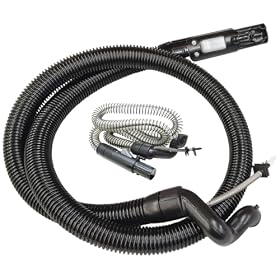
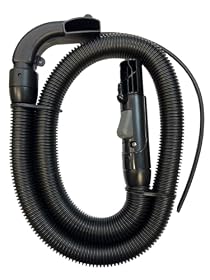
- Recovery hose
- Upholstery or stair tool
- Tank inlet and lid passage
- Any removable screen or strainer
Hair, carpet fibers, pet fur, and chunks of extracted debris are common obstructions. Clear only what you can reach safely without sharp tools or excessive force. If a hose is kinked, straighten it before operating the cleaner.
A clog near the nozzle can also leave water on the carpet while the motor sounds normal. If the suction returns after clearing the obstruction, no motor repair is usually needed.
5. Check the tank lid, gasket, and seals
The recovery tank needs an airtight path for suction. A loose lid, pinched gasket, cracked tank, or missing seal can cause poor extraction and unusual float behavior.
Inspect the tank and lid for:
- A gasket that is twisted, flattened, or out of its groove
- Cracks around the tank, lid, or hose connection
- A lid that does not latch evenly
- Debris on the sealing surfaces
- A damaged valve or flap at the tank inlet
Clean the sealing surfaces, reinstall the gasket correctly, and reseat the lid. Do not use tape, household caulk, or an improvised gasket in the suction path. Replace damaged seals or tanks with parts specified for the machine.
6. Confirm the tank and machine are set up correctly
A recovery tank that is slightly misaligned may appear installed while failing to seal. Remove it and reinstall it firmly. Check that the tank latch, handle, lid, and separator are in their normal positions.
Also verify that:
- The clean-water and recovery tanks are in their correct locations.
- The recovery tank is not filled above its marked limit.
- The machine is being operated on the angle intended by the manufacturer.
- The hose or attachment is fully connected.
- The nozzle is making proper contact with the carpet rather than being lifted or twisted.
Some float systems respond to tilt. Avoid sharply tipping the cleaner while the recovery tank contains water.
7. Check the float itself
With the machine unplugged and the recovery tank empty, inspect the float for hair, dried formula, or debris. It should not be jammed in the raised position. Clean it gently if the manual allows access.
A float that remains stuck, rattles abnormally, is cracked, or cannot move as specified may need a replacement tank lid, float assembly, or recovery tank. Do not bypass it to restore suction.
8. Consider the motor or electrical system last
If the float still shuts off suction immediately after the tank, filter, hose, seals, and setup are correct, the problem may involve the suction motor, airflow sensor, wiring, or another internal component. Signs of a deeper fault include:
- The motor cuts out even with an empty, correctly seated tank.
- Suction remains weak after all accessible paths are clear.
- The cleaner smells hot or produces smoke.
- The motor makes grinding, screeching, or intermittent electrical noises.
- A circuit breaker or ground-fault outlet trips repeatedly.
Stop using the cleaner if it smells burnt, smokes, trips protection repeatedly, or shows damaged wiring. Do not open the electrical housing unless you are qualified and the manufacturer authorizes that service. Contact the manufacturer or a qualified appliance repair professional.
When to replace a part or the cleaner
A replacement part is reasonable when the problem is isolated to a worn filter, gasket, tank lid, hose, nozzle, or recovery tank and the rest of the machine operates normally. Match the part to the exact cleaner model and version.
Replacing the cleaner may make more sense when the tank or suction assembly is cracked, multiple parts are unavailable, the motor has failed, or repair costs approach the cost of a suitable replacement. Before disposing of the machine, check whether the manufacturer offers the tank, float assembly, or seal as a separate part.
How to prevent early float shutoff
- Measure carpet-cleaning formula instead of estimating.
- Use only the formula and dilution recommended for the machine.
- Empty and rinse the recovery tank after each use.
- Remove lint and pet hair from the nozzle and brush area.
- Clean washable filters as directed and let them dry completely.
- Store the cleaner with tanks emptied and removable parts allowed to dry.
- Avoid pulling the machine at extreme angles while recovering water.
- Inspect tank seals when suction changes or water begins leaking.
If the float activates only near the tank’s normal fill level, it is probably working as intended. If it activates with an empty tank after cleaning and correctly reseating every accessible component, discontinue use until the float assembly or suction system is inspected.