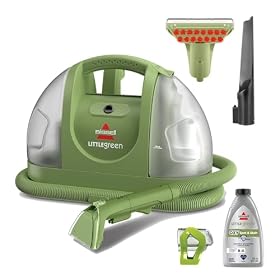
The best portable cleaner for a cloth car seat is compact enough for vehicle use, has a narrow upholstery tool, and can spray and extract without leaving the seat soaked. Here is what to look for and how to use one safely.
A portable carpet or upholstery cleaner is usually the most practical choice for a cloth car seat. Look for a compact spot cleaner with a narrow upholstery tool, separate clean- and dirty-water tanks, enough hose reach to work inside the vehicle, and strong water extraction. A handheld upholstery tool can help with small spills, but a spray-extraction cleaner is generally better for embedded food, drink, and pet stains.
What to look for in a portable car-seat cleaner
Compact size and easy handling
Choose a machine that is easy to carry around the vehicle and store between uses. A smaller unit is convenient for one or two seats, but an extremely small tank may require frequent refilling and emptying.
Consider:
Carrying handle or compact body
Hose length that reaches the front and rear seating areas
A tank design that is easy to remove and refill
Cord length, or battery runtime if the machine is cordless
Storage space in a garage, closet, or vehicle-care cabinet
A corded model can be useful when you have access to a garage outlet. If you plan to clean in a driveway, check whether the cleaner requires household AC power and whether an appropriate outdoor-rated extension cord is permitted by the manufacturer.
Narrow upholstery tool
A small upholstery nozzle is more useful than a wide carpet head for car seats. It should fit between bolsters and around seat-belt buckles without forcing the tool against the fabric.
A transparent nozzle can also make it easier to see whether dirty water is being recovered. Avoid pushing a wide floor head into the seat, because it may be difficult to maneuver and can apply too much moisture to a small area.
Spray and extraction performance
Portable cleaners work by applying a controlled amount of cleaning solution, loosening soil with a brush or nozzle, and extracting the liquid into a dirty-water tank. For cloth car seats, extraction matters as much as spraying. A machine that leaves the fabric wet can increase drying time and may contribute to odor if the seat remains damp.
Specifications such as motor power or air watts can be difficult to compare across brands. Treat them as secondary details. Hose design, nozzle contact, airflow, and correct technique usually have a greater effect on the result than a single advertised power number.
Separate clean- and dirty-water tanks
Separate tanks reduce the chance of spraying recovered dirty water back onto the seat. Check the tank capacities and the fill lines before buying. A larger tank is useful for cleaning several seats, while a smaller tank keeps the unit lighter for quick spot treatment.
Formula compatibility
Use only the cleaning formula recommended for the machine and suitable for upholstery. Do not substitute dish soap, laundry detergent, bleach, or household disinfectant unless the cleaner and fabric manufacturer specifically allow it. Unapproved products can create excessive foam, leave residue, discolor fabric, or damage internal components.
For a car seat, a low-residue upholstery formula is generally preferable. Follow the dilution instructions rather than assuming that a stronger mixture will clean better.
Which type of portable cleaner is right?
Spray-extraction spot cleaner
This is the most versatile option for cloth car seats. It sprays solution and extracts moisture through the same tool, making it suitable for food spills, drink stains, tracked-in dirt, and many pet-related messes.
Choose this type when you want to clean more than an isolated fresh spot or expect to use the machine on rugs, stairs, upholstery, or floor mats as well.
Handheld upholstery cleaner
A lightweight handheld unit can work well for small spills and routine touch-ups. Its limitations may include a smaller tank, shorter runtime, less hose reach, or less effective extraction than a larger portable spot cleaner.
Choose one when storage space and portability matter more than cleaning several seats in one session.
Wet/dry vacuum with an upholstery attachment
A wet/dry vacuum can extract liquid, but it does not necessarily spray cleaning solution. You may need a separate sprayer and brush, and the setup can be less convenient for controlled upholstery cleaning.
This option makes sense if you already own a suitable wet/dry vacuum and mainly need liquid pickup after hand-cleaning. For a dedicated car-seat cleaner, a spray-extraction machine is usually simpler.
Product prices and availability are accurate as of the date/time indicated and are subject to change. Any price and availability information displayed on Amazon.com at the time of purchase will apply to the purchase of this product.
How to clean a cloth car seat
Read the seat and cleaner instructions. Check the vehicle owner's manual or seat-material guidance for cleaning restrictions. Follow the portable cleaner's formula and operating instructions.
Remove loose debris. Vacuum crumbs, sand, and pet hair before applying liquid. A crevice tool can help around seams.
Test a hidden area. Apply a small amount of the intended solution to an inconspicuous section. Check for color transfer, shrinking, or texture changes after it dries.
Treat the stain. Use a small amount of solution and allow the recommended dwell time. Do not saturate the seat.
Agitate gently. Use the tool's brush only as directed. Excessive scrubbing can roughen fabric or spread a stain.
Make slow extraction passes. Keep the nozzle moving and make additional passes without spraying to remove as much moisture as possible.
Dry the seat completely. Leave doors or windows open in a safe, well-ventilated area. Do not reinstall or regularly use a child safety seat on a damp cushion.
Clean the machine. Empty and rinse the dirty-water tank, rinse the tool, and follow the manufacturer's procedure for hose or nozzle maintenance.
Product prices and availability are accurate as of the date/time indicated and are subject to change. Any price and availability information displayed on Amazon.com at the time of purchase will apply to the purchase of this product.
Important car-seat precautions
Do not flood the seat cushion, seams, seat-belt hardware, electrical connectors, or areas containing airbags. Modern seats may contain occupancy sensors, wiring, heating elements, or side-airbag components beneath the upholstery. Avoid directing liquid into openings, controls, or the seat-belt retractor.
If the seat is heavily saturated, has a persistent electrical warning, or contains a damaged or deployed airbag, stop cleaning and consult the vehicle manufacturer or a qualified automotive professional.
Child safety seats require extra care. Do not assume that a carpet-cleaning chemical is approved for a child restraint. Follow the child-seat manufacturer's cleaning instructions, and never use a cleaner that could leave a slippery or irritating residue on harness components.
Product prices and availability are accurate as of the date/time indicated and are subject to change. Any price and availability information displayed on Amazon.com at the time of purchase will apply to the purchase of this product.
Common problems and fixes
The seat is still very wet
Use less solution, move the tool slowly, and make several extraction-only passes. Check that the dirty-water tank is not full and that the nozzle is seated correctly. A clogged tool or hose can also reduce recovery.
The stain comes back after drying
This can happen when residue or liquid remains below the surface and wicks upward as the fabric dries. Vacuum loose debris first, avoid over-wetting, and use the approved formula at the correct dilution. Some dye, grease, ink, and old stains may not be removable without professional treatment.
The cleaner has weak suction
Check the filter, nozzle opening, hose, tank seals, and dirty-water tank position. Empty the tank if it has reached its limit. If suction remains weak after cleaning the accessible parts, inspect the machine for damage and contact the manufacturer rather than disassembling the motor or electrical components.
The machine leaves a strong odor
Empty and rinse the dirty-water tank promptly after use. Clean the nozzle and hose according to the instructions, and let removable parts dry before storage. Odor from the seat itself may indicate that the cushion remains damp or that contamination has penetrated beneath the fabric.
When to choose a different solution
A portable extractor is a good fit for occasional spills and general cloth-seat cleaning. Choose a larger carpet or upholstery extractor if you regularly clean multiple vehicles, large fabric areas, rugs, or stairs. For severe odors, biological contamination, mold-like growth, deep oil stains, or seats with sensitive electrical components, professional detailing may be safer and more effective.
For most buyers, the best portable option is not necessarily the smallest or the machine with the highest advertised power. Prioritize a manageable size, a narrow upholstery tool, reliable extraction, compatible formula, and parts that are easy to rinse and dry.
FAQ
Can I use a portable carpet cleaner on a cloth car seat?
Usually, yes, if the vehicle and cleaner manufacturers permit wet cleaning of the upholstery. Use an upholstery tool, approved formula, limited moisture, and thorough extraction. Avoid saturating seams, wiring, controls, and airbag areas.
What size portable cleaner is best for car seats?
A compact spot extractor is generally sufficient for one or two cloth seats. A larger tank is more convenient for several seats, but it also adds weight and takes more storage space. Balance tank size against portability and hose reach.
How do I keep a cloth car seat from staying wet?
Apply less solution, work in small sections, make slow extraction passes, and follow with several passes without spraying. Allow full ventilation and drying before normal use.
Can I use household soap in a portable upholstery cleaner?
Do not use household soap unless the cleaner and upholstery manufacturers specifically approve it. Excess foam and residue can damage the machine, attract more soil, or leave the seat slippery.
Should I buy a handheld or a portable spray-extraction cleaner?
A handheld unit is convenient for small fresh spills and limited storage. A portable spray-extraction cleaner is usually the better choice for embedded stains, several seats, floor mats, and repeated vehicle cleaning.