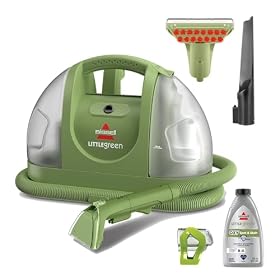
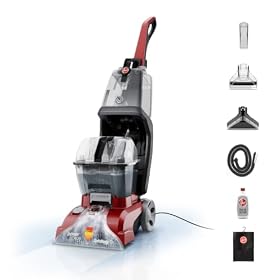
The best portable carpet cleaner is compact enough for quick jobs but has enough suction, tank capacity, and tool flexibility to remove embedded stains. Use this guide to choose the right type for carpets, pets, furniture, and car interiors.
A portable carpet cleaner is the right choice when you need to remove stains, pet accidents, or ground-in dirt without carrying a full-size carpet machine. The best portable carpet cleaner for you depends on where you will use it: a small spot cleaner suits stairs and spills, while a model with stronger extraction and a longer hose is more useful for upholstery, car interiors, and repeated pet messes.
Quick recommendation
Choose a portable carpet cleaner with a separate clean-water tank, a removable dirty-water tank, a transparent hand tool, and enough hose or cord length for the areas you clean most. If pet stains are the main problem, prioritize a powered or bristled stain tool, a sealed dirty-water system, and a formula approved for odor and enzyme cleaning.
For occasional spills, a compact unit is easier to store and faster to set up. For frequent cleaning, avoid choosing solely by the smallest size: a slightly larger tank, stronger extraction, and easier tool cleaning can save time on every job.
What to look for in a portable carpet cleaner
Suction and water extraction
Suction is one of the most important specifications because the machine must remove dirty water after applying cleaning solution. Better extraction usually leaves carpet and upholstery less wet, which can reduce drying time and the risk of lingering odors.
Manufacturers do not always publish comparable suction measurements, so do not rely on a single advertised number. Look instead for:
A powered brush or agitating tool for lifting embedded soil
A tool head that makes a firm seal against the fabric
A dirty-water tank that collects liquid without leaking
A design that lets you make several dry passes after spraying
Even a powerful machine can leave fabric wet if you overspray or make too few extraction passes.
Tank capacity
A larger clean-water tank means fewer refills, but it also makes the machine heavier when full. Small tanks are acceptable for isolated stains, stairs, and car seats. If you plan to clean a sofa, multiple dining chairs, or several pet spots in one session, look for more capacity and a comfortable carrying handle.
Separate clean- and dirty-water tanks are preferable to systems that allow the extracted liquid to mix with fresh solution. Removable tanks are also easier to empty, rinse, and dry after use.
Hose and cord reach
Check the combined working reach of the power cord and hose, not just the machine's body size. A short hose may be manageable on a rug but inconvenient on stairs or in a vehicle. A longer hose can make upholstery cleaning easier, although it adds storage and cleaning requirements.
If you will use the cleaner in a car, consider whether the unit can sit on the ground while the hose reaches the seats. For stairs, make sure the machine is light enough to carry safely and that the hose does not pull the unit off a step.
Hand tools and brush design
The included tool often matters more than a small difference in motor specifications. Look for a transparent nozzle so you can see whether dirty water is being collected and whether debris is blocking the opening.
Useful tool features include:
A narrow stain tool for concentrated spots
A wider tool for cushions and larger areas
Bristles or a powered brush for agitation
A tool that can be rinsed easily after pet accidents
A separate storage location for the hose and attachments
Avoid scrubbing delicate fabrics aggressively. Check the upholstery cleaning code and the machine and formula instructions before applying moisture.
Formula compatibility
Use only cleaning solutions approved by the machine manufacturer or clearly labeled for the equipment. Too much formula can leave sticky residue that attracts more dirt, while the wrong product may create excessive foam or damage the pump.
For pet messes, an enzyme-based product may help with organic odors, but it should be compatible with the carpet or upholstery and the cleaner. Do not mix cleaning chemicals. If a stain includes bodily fluids, wear gloves, remove solid material first, and follow the product's safety directions.
Ease of cleaning after use
A portable cleaner needs maintenance after every job. Favor a design with tanks, nozzle covers, and brush areas that are easy to remove and rinse. A machine that is difficult to clean can develop odors even when it extracts water effectively.
Before buying, check whether replacement tanks, hoses, nozzles, and brushes are available. These parts are more likely to wear or become damaged than the main motor.
Portable carpet cleaners for general spot cleaning
Product prices and availability are accurate as of the date/time indicated and are subject to change. Any price and availability information displayed on Amazon.com at the time of purchase will apply to the purchase of this product.
Best portable carpet cleaner types by job
Best for quick spills and small stains
Choose a compact spot cleaner with a small footprint, a narrow stain tool, and simple tank removal. It should be easy to keep near the kitchen, entryway, or pet area. Small capacity is not a serious drawback when each job takes only a few minutes.
Best for pet accidents
Look for strong extraction, a tool that agitates fibers, a dirty-water tank that seals securely, and compatible odor or enzyme formulas. A wide opening or removable tool head is helpful because pet hair and debris can clog narrow passages.
Best for upholstery and furniture
Prioritize a gentle hand tool, controllable spray, and a hose long enough to reach cushions without repeatedly moving the machine. Make sure the fabric is labeled as suitable for water-based cleaning. Test the solution on a hidden area first, and avoid saturating cushions.
Best for car interiors
A compact body, long working reach, and narrow attachment are especially useful in a vehicle. Check whether the unit can be powered safely where you intend to use it. Do not run electrical equipment where it can contact standing water, and follow the manufacturer’s instructions for extension cords and outdoor or garage use.
Best for stairs and area rugs
A lighter machine with a flexible hose is easier to carry. For area rugs, confirm that the backing and dyes can tolerate wet extraction. Work in small sections and allow the rug to dry completely before placing it back on the floor.
Product prices and availability are accurate as of the date/time indicated and are subject to change. Any price and availability information displayed on Amazon.com at the time of purchase will apply to the purchase of this product.
How to use a portable carpet cleaner effectively
Vacuum loose dirt, hair, and grit before wet cleaning.
Blot fresh liquid rather than rubbing it deeper into the fibers.
Check the carpet or fabric care label and test the solution in an inconspicuous spot.
Fill the clean-water tank with the recommended water and formula mixture.
Apply a controlled amount of solution instead of repeatedly soaking the area.
Agitate only as much as the material allows.
Make slow extraction passes with little or no additional spraying.
Empty and rinse the dirty-water tank after the job.
Rinse the tool and hose as directed, then leave tanks and removable parts open to dry.
Drying depends on humidity, airflow, material thickness, and how much water was applied. Increase ventilation, use fans where appropriate, and keep people and pets away until the area is dry.
Portable upholstery and car-interior cleaning tools
Product prices and availability are accurate as of the date/time indicated and are subject to change. Any price and availability information displayed on Amazon.com at the time of purchase will apply to the purchase of this product.
Portable carpet cleaner limitations
A portable machine is convenient but is not a substitute for professional restoration after major flooding, sewage contamination, or extensive water damage. It also may not remove permanent dye changes, bleach marks, melted fibers, or stains that have chemically altered the carpet.
For large carpeted rooms, a full-size extractor may cover the area more efficiently. For delicate upholstery, natural fibers, or expensive rugs, professional cleaning may be safer than experimenting with a home machine.
Product prices and availability are accurate as of the date/time indicated and are subject to change. Any price and availability information displayed on Amazon.com at the time of purchase will apply to the purchase of this product.
When to choose a different machine
Choose a full-size carpet cleaner if you regularly clean multiple rooms or need to cover large areas. Choose an upholstery-focused tool if furniture and car interiors are your main targets and you already have another way to clean floors.
A portable carpet cleaner is usually the better fit when storage space is limited, stains are localized, and quick setup matters more than maximum tank capacity. If replacement tanks, hoses, or tools are unavailable for an older machine, replacing the unit may be more practical than repairing a worn pump or leaking tank.
FAQ
Are portable carpet cleaners worth buying?
They are useful for localized stains, pet accidents, upholstery, stairs, and car interiors. They are less efficient than full-size machines for cleaning several carpeted rooms at once.
How often should I use a portable carpet cleaner on carpet?
Use it when stains or spills occur and as needed for high-traffic areas. Avoid repeatedly soaking carpet without allowing it to dry fully, because excess moisture can contribute to odors or other problems.
Can I use a portable carpet cleaner on a couch?
Only if the upholstery care label permits water-based cleaning. Test the solution on a hidden area, use controlled amounts of liquid, and extract thoroughly. Delicate, non-colorfast, or water-sensitive fabrics may require professional cleaning.
Why is my portable carpet cleaner leaving carpet very wet?
Common causes include applying too much solution, moving too quickly, a blocked tool nozzle, a full dirty-water tank, a loose tank seal, or reduced suction. Empty the tank, inspect the nozzle and hose, reseat the tanks, and make slow dry passes. Persistent loss of suction may indicate a worn seal, pump, or motor.
What should I do after cleaning a pet accident?
Remove solid material, blot excess liquid, use a compatible pet-safe formula, and extract the area thoroughly. Rinse and dry the machine's tool and tank after use. For extensive contamination or odor that persists, professional treatment may be appropriate.