Best carpet cleaner if you already have a shop vac
A shop vac can handle wet pickup, but it usually cannot spray cleaning solution or scrub carpet by itself. The best choice is typically a carpet extractor or portable carpet cleaner that provides agitation and controlled water recovery, while your shop vac remains useful for other cleanup jobs.
If you already have a shop vac, the best carpet cleaner is usually a dedicated extractor—not another vacuum attachment. A shop vac can collect dirty water when it is rated for wet pickup, but it normally does not spray solution, scrub fibers, or control the amount of water applied to the carpet. For most homes, choose a portable carpet cleaner for spots, stairs, upholstery, and pet accidents; choose an upright carpet cleaner if you need to clean multiple rooms regularly.
What your shop vac can—and cannot—do
A wet/dry shop vac can provide strong suction for liquid recovery, but carpet cleaning requires several separate functions:
Applying water and cleaning solution in a controlled amount
Agitating carpet fibers with a brush or tool
Recovering dirty water before the carpet becomes overly wet
Separating recovered liquid from the motor and exhaust system
A shop vac generally handles only the last part. It may be useful for picking up a spill or recovering rinse water, but using it alone will not provide the same cleaning process as a carpet extractor.
Do not use a regular dry-only vacuum to pick up water. If you use the shop vac for liquid, follow its manual regarding wet-pickup operation, filters, floats, bags, and maximum fill level.
The best setup for most people
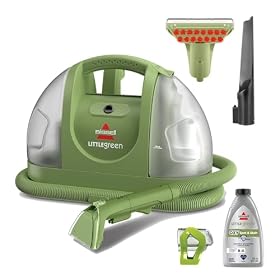
Choose a portable carpet cleaner for targeted cleaning
A portable extractor is the most practical choice if you already own a shop vac and mainly need to clean:
Pet accidents and muddy paw prints
Stairs and small rugs
Upholstery and car interiors
Isolated food or drink stains
High-traffic areas rather than entire floors
It adds the spray, brush, and recovery functions your shop vac lacks without duplicating the role of a large floor vacuum. Your shop vac can remain available for garage, workshop, vehicle, or emergency liquid cleanup.
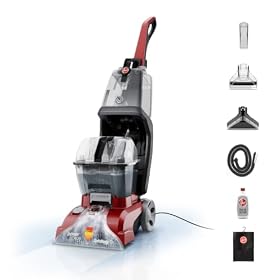
Choose an upright carpet cleaner for whole rooms
Buy an upright machine instead if you expect to clean several rooms or large carpeted areas. Uprights usually provide a wider cleaning path, larger tanks, and less bending than portable machines. Your shop vac will not meaningfully replace those features.
An upright is also the better fit when routine deep cleaning is more important than compact storage. Check the machine's recommended carpet types and drying guidance, especially if the carpet is delicate, glued down, or prone to color bleeding.
Consider an attachment only for occasional spills
A shop-vac carpet-cleaning attachment can be reasonable for small jobs if it includes a way to apply solution and a suitable extraction head. However, attachments vary widely. Some are intended only for dry debris or liquid pickup and do not scrub or dispense solution.
An attachment makes sense when low cost and occasional use matter more than consistent cleaning results. It is a poor substitute for a dedicated extractor if you regularly clean pet stains, wall-to-wall carpet, or upholstery.
Portable extractor for stains, pets, stairs, and upholstery
Product prices and availability are accurate as of the date/time indicated and are subject to change. Any price and availability information displayed on Amazon.com at the time of purchase will apply to the purchase of this product.
Features that matter when choosing a carpet cleaner
Spray control
Look for a machine or tool that lets you apply solution in controlled passes. Excess liquid can lengthen drying time and increase the risk of odors, browning, or moisture reaching the carpet backing and pad.
Brush design
A powered brush can help loosen embedded soil, while a handheld or fixed brush may be adequate for spot cleaning. Aggressive brushing is not automatically better: delicate carpet, loops, and some rugs can snag or distort.
Recovery performance
The machine should remove dirty solution through a sealed recovery path rather than simply leaving damp carpet behind. Suction power is only one factor; nozzle contact, airflow, seals, and the amount of solution applied also affect drying.
Tank separation and capacity
Separate clean- and dirty-water tanks make it easier to avoid reapplying contaminated water. Larger tanks reduce refills for room cleaning but add weight. Smaller tanks are easier to carry for stairs and upholstery.
Tool and surface compatibility
If you want to clean sofas, stairs, mattresses, or car seats, confirm that the machine includes or supports an upholstery tool. Do not assume every carpet cleaner is suitable for every fabric. Follow the furniture or carpet manufacturer's cleaning instructions and test an inconspicuous area first.
Replacement parts and formula
Before buying, check whether replacement tanks, hoses, brushes, filters, and compatible cleaning formulas are available. A machine that is easy to maintain can be more useful than one with extra features that are difficult to replace or clean.
Product prices and availability are accurate as of the date/time indicated and are subject to change. Any price and availability information displayed on Amazon.com at the time of purchase will apply to the purchase of this product.
Can you connect a carpet cleaner to a shop vac?
Sometimes, but compatibility is not universal. A hose may physically fit while still leaking air, restricting flow, or failing to seal around the extraction head. The carpet cleaner, attachment, and shop-vac manufacturer must permit that arrangement.
Avoid improvised adapters, taped connections, or setups that could expose the shop-vac motor to liquid. Use only accessories designed for the specific equipment, and stop if the shop vac shows signs of liquid reaching the motor, unusual noise, overheating, or reduced airflow.
In many cases, buying a purpose-built portable extractor is simpler and safer than assembling a mixed system.
Replacement formula for carpet and upholstery extraction
Product prices and availability are accurate as of the date/time indicated and are subject to change. Any price and availability information displayed on Amazon.com at the time of purchase will apply to the purchase of this product.
How to use a carpet cleaner when you already own a shop vac
Vacuum dry debris first. Use the regular vacuum or shop vac in dry-pickup mode to remove loose dirt, hair, and grit.
Check the carpet or fabric. Look for manufacturer restrictions, colorfastness concerns, loose seams, and damaged backing.
Use the recommended formula. Mixing a stronger solution than directed can leave residue and create excess foam.
Apply modestly. Make slow wet passes and follow with additional extraction-only passes as directed by the machine manual.
Use the shop vac only as permitted. If it is rated for wet pickup, it may help with a spill or compatible extraction accessory. Do not bypass liquid shutoff systems.
Improve drying. Increase ventilation, use fans where appropriate, and keep foot traffic off the carpet until it is dry.
Rinse and maintain the machine. Empty tanks, rinse the recovery path, clean the brush, and allow removable parts to dry.
When a shop vac attachment is enough
An attachment may be sufficient when the mess is small, the carpet is low-pile and durable, and you only need occasional spot treatment. It can also be useful for extracting water after a minor spill, provided the shop vac is designed for wet pickup.
Choose a dedicated carpet cleaner instead when:
You need to clean whole rooms
Pet accidents are frequent
You want powered agitation
You need upholstery or stair tools
Drying time and water control are important
The shop-vac accessory leaves carpet visibly wet
Common problems with a shop-vac-based setup
The carpet stays too wet
Apply less solution, move more slowly, and make additional recovery passes. Check for a partially blocked nozzle, collapsed hose, dirty filter, full recovery container, or air leaks around the attachment. If the setup still leaves carpet saturated, a purpose-built extractor is the reasonable next step.
Suction suddenly drops
Turn the equipment off before inspecting it. Empty the tank, check the float shutoff, clear the hose and nozzle, and inspect seals and connections. A filter installed for dry pickup may also restrict wet operation or become clogged; follow the shop-vac manual rather than guessing which filter to remove or install.
The attachment sprays poorly
Check the solution tank, pump or trigger, spray tip, and tubing for blockage. Use only the formula and dilution specified by the carpet-cleaning tool. If the pump is not designed for the attachment or the accessory has no spray system, stronger shop-vac suction will not solve the problem.
The carpet smells after cleaning
Residue, slow drying, contaminated recovery equipment, or moisture in the pad can all contribute. Use the correct dilution, extract more thoroughly, rinse components, and improve airflow. Persistent odor or dampness may require professional carpet cleaning or inspection for an underlying moisture problem.
Bottom line
For most people who already have a shop vac, a portable carpet cleaner is the best addition because it supplies controlled spraying, brushing, and recovery without requiring a second large vacuum. Choose an upright carpet cleaner for frequent whole-room cleaning. Use a shop-vac attachment only for occasional, small jobs and only when the accessory and vacuum are explicitly compatible.
A shop vac is valuable support equipment, but it is not usually a complete replacement for a carpet extractor.
FAQ
Can a shop vac clean carpet by itself?
A wet/dry shop vac can remove liquid and loose debris, but it usually does not spray cleaning solution or scrub carpet. For deep cleaning, use a dedicated carpet extractor or a compatible spray-and-extraction attachment.
Should I buy a portable or upright carpet cleaner if I already have a shop vac?
Choose a portable machine for stains, pets, stairs, upholstery, and small areas. Choose an upright for frequent cleaning of multiple rooms or large carpeted floors.
Can I use a regular shop vac to pick up water?
Only if the vacuum is rated for wet pickup and operated according to its manual. Dry-only vacuums should not be used with water.
Why is my shop-vac carpet attachment leaving the carpet wet?
Common causes include applying too much solution, a clogged nozzle or hose, air leaks, a full recovery tank, a shut float, or an attachment that does not provide effective extraction. If these checks do not help, use a purpose-built carpet extractor.