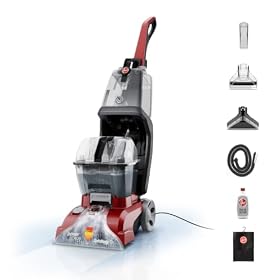
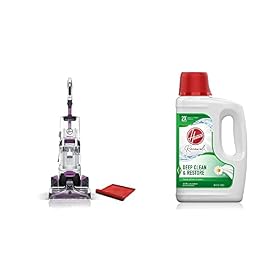
A wide-path upright carpet cleaner can reduce cleaning time in a large living room, but the widest machine is not always the easiest to maneuver or store. Compare cleaning width, tank capacity, weight, hose tools, and extraction performance before choosing.
A wide-path upright carpet cleaner is a practical choice for a large living room because it covers more carpet with each pass. The main tradeoff is that a wider machine can be heavier, harder to turn around furniture, and less convenient on stairs or in narrow areas. For the best fit, compare the cleaner’s effective cleaning width with its tank capacity, maneuverability, hose tools, and storage space—not width alone.
What “wide path” means
The cleaning path is the approximate width of carpet reached by the rotating brush and suction area during a pass. A wider path can reduce the number of passes needed across an open room.
It is most useful when your living room has:
A large uninterrupted carpeted area
Few small furniture pieces to move around
Enough clearance between walls and furniture
A nearby place to fill, empty, and store the machine
Cleaning-path width is different from the machine’s total outside width. The housing may extend beyond the brush area, so check the manufacturer’s listed cleaning width and overall dimensions before buying.
When a wide upright is the right choice
A wide-path upright usually makes sense if speed and floor coverage matter more than compact handling. It can be especially useful for routine whole-room cleaning, seasonal deep cleaning, and homes with several large carpeted spaces.
A narrower or more compact cleaner may be better if the room has many chairs, tables, tight corners, steps, or connected hallways. In those situations, a wide machine may cover open areas quickly but require more manual work around the edges.
Portable spot cleaner for furniture and pet accidents
Product prices and availability are accurate as of the date/time indicated and are subject to change. Any price and availability information displayed on Amazon.com at the time of purchase will apply to the purchase of this product.
Specifications that matter most
Cleaning width and pass count
A wider cleaning path can reduce overlapping passes, but the actual time savings depends on furniture layout and how slowly the machine must be pushed. Look for a design that balances coverage with a turning radius you can comfortably manage.
Do not assume the widest available cleaner is automatically the fastest. A machine that is difficult to turn or repeatedly reposition may offset the benefit of its wider brush area.
Clean- and dirty-water tank capacity
For a large living room, tank capacity affects how often you stop to refill clean water and empty recovered water. Larger tanks can make a long cleaning session more convenient, but they also add weight when full.
Check both capacities if the manufacturer lists them. Some machines have different clean- and dirty-water volumes, and the usable capacity may be lower than the tank’s physical size because of fill lines or automatic shutoff points.
A removable tank with a large opening is easier to fill, empty, and rinse. A tank that is awkward to remove can make routine maintenance more frustrating, especially after cleaning heavily soiled carpet.
Weight and maneuverability
Pay attention to the cleaner’s dry weight and how much heavier it becomes with water. A wide upright should have a handle and wheel layout that make forward and backward movement predictable.
Before choosing a large model, consider:
Whether you need to carry it over a threshold or up stairs
How easily it turns around a sofa or coffee table
Whether the handle folds for storage
Whether the base can reach close to walls and furniture
Whether the machine is comfortable to pull backward
If the living room is on an upper floor, a lighter cleaner or a separate portable upholstery tool may be more practical than a very large upright.
Brush design and carpet compatibility
Rotating brushes help agitate carpet fibers and lift embedded soil, but the brush system must be suitable for your carpet. Follow the carpet manufacturer’s care instructions, particularly for delicate, looped, wool, or specialty carpets.
A brush shutoff or height adjustment can be useful when the manufacturer allows it. Do not use a carpet cleaner on surfaces it is not designed to wet, and do not add unapproved solutions to the tank.
Water extraction and drying
Good water recovery matters as much as spraying. Carpet that remains very wet can take longer to dry and may develop an odor if the room has poor ventilation.
Look for operating guidance that explains how many slow extraction passes to make and whether the machine supports dry passes without additional solution. After cleaning, increase airflow with fans or ventilation where appropriate, and keep people and pets off the carpet until it is dry.
Avoid judging extraction by tank size alone. A larger tank means fewer interruptions, not necessarily drier carpet.
Hose and above-floor tools
A hose and handheld tool can make a wide upright more versatile for stairs, sofa cushions, entry mats, and edges. Check the hose length and tool type rather than assuming every included attachment is suitable for upholstery or pet stains.
If your living room has a sectional, upholstered chairs, or carpeted steps, above-floor reach may be more valuable than a small increase in cleaning width.
Product prices and availability are accurate as of the date/time indicated and are subject to change. Any price and availability information displayed on Amazon.com at the time of purchase will apply to the purchase of this product.
Features worth prioritizing for a large living room
For most large rooms, prioritize these features in order:
A cleaning width that fits the open floor area
A tank capacity that minimizes refill and emptying stops
Reliable water recovery and clear drying instructions
Wheels and a handle that are easy to control when loaded
A hose or edge-cleaning design for furniture and room borders
Removable, washable parts for routine maintenance
Storage dimensions that fit your closet or utility area
Automatic solution measuring can reduce guesswork, but it does not replace the carpet manufacturer’s instructions. Extra cleaning formula is not a substitute for thorough extraction.
How to choose the right size
Measure the living room’s open carpeted area, then measure the narrowest route from storage to the room. Include doorways, furniture gaps, closet openings, and any thresholds.
A wide upright is a strong fit when most of the room is open and the machine can be stored nearby. Choose a more compact unit when:
Furniture stays in place during cleaning
The cleaner must pass through narrow doorways
You clean stairs frequently
Storage space is limited
You need to clean upholstery more often than large carpet areas
If the room is large but divided by furniture, prioritize maneuverability and hose reach over maximum brush width.
Using a wide-path upright efficiently
Before cleaning, vacuum loose debris and remove small objects from the carpet. Follow the machine’s recommended solution ratio and never mix chemicals unless the manufacturer specifically permits it.
Work in manageable sections:
Fill the clean-water tank to the marked line.
Make slow wet passes according to the instructions.
Make additional extraction-only or dry passes if recommended.
Overlap adjacent passes slightly to avoid untreated strips.
Empty and rinse the dirty-water tank when it reaches its limit.
Leave enough ventilation for the carpet to dry fully.
Avoid saturating the same area repeatedly. More water and solution do not necessarily produce a cleaner result and can extend drying time.
When a wide upright is not the best purchase
A wide-path machine may be the wrong choice if you primarily need to clean spot stains, stairs, upholstery, or small rooms. A portable carpet or upholstery cleaner can be easier to carry and store, while a compact upright may provide better control around furniture.
You may also want a different setup if the household has frequent pet accidents. In that case, a full-size cleaner can handle whole-room cleaning, but a separate spot-cleaning tool may be more convenient for treating accidents promptly.
Care after each use
Rinse the dirty-water tank, clean removable screens or filters as directed, and inspect the brush area for hair and carpet fibers. Wipe seals and tank openings before storing the machine with removable parts allowed to air-dry.
Do not store the cleaner with stagnant water in the tanks or with wet components sealed inside the housing. Replace filters, belts, brushes, or seals only with parts approved for the specific machine.
Bottom line
Choose a wide-path upright when your living room has substantial open carpet and you want fewer passes during whole-room cleaning. The best choice is not simply the machine with the greatest width; it is the one whose coverage, tank capacity, extraction, handling, hose reach, and storage dimensions match the room. If furniture, stairs, or upholstery dominate the job, a narrower or portable cleaner may be more useful.
FAQ
Is a wide-path carpet cleaner faster for a large living room?
It can reduce the number of passes across open carpet, but the time savings depend on furniture, turning space, tank capacity, and how many slow extraction passes are needed.
What tank size should I choose for a large living room?
Choose enough clean- and dirty-water capacity to reduce frequent stops, while remembering that a larger tank adds weight when full. Use the manufacturer’s listed capacities and fill lines as the guide.
Are wide upright carpet cleaners difficult to maneuver?
They can be less convenient around furniture, corners, stairs, and narrow doorways. Check the cleaner’s overall width, dry weight, wheel design, and handle movement before buying.
Will a wide-path upright clean carpet close to walls?
Some designs include edge-cleaning features, but the brush and suction area may not reach every edge. A hose tool or handheld attachment can help with borders and furniture edges.
Is a wide upright suitable for pet stains?
It can clean larger carpeted areas, but prompt spot treatment may be easier with a portable tool. Use only a compatible formula and follow the carpet and machine manufacturer’s instructions.