An upright carpet cleaner can be a practical choice for homes with dogs or cats, but the right features matter. Focus on extraction, brush design, separate clean and dirty tanks, pet-safe cleaning formulas, hose tools, and easy maintenance.
An upright carpet cleaner for a pet household should do more than remove a visible stain. It needs to lift embedded soil, extract enough water to avoid slow drying, handle recurring accidents, and be easy to rinse after cleaning up pet hair and odor-causing residue. For frequent whole-room cleaning, an upright model is usually more practical than a small spot cleaner because it covers carpet faster and holds more water.
What makes an upright carpet cleaner suitable for pets?
Look for a machine with strong water extraction, effective rotating or oscillating brushes, separate clean- and dirty-water tanks, and a hose attachment for stairs and upholstery. Pet-focused packages may also include a specialized brush or odor-control formula, but the included accessories vary by model.
The most important feature is not a marketing label. It is how well the machine combines agitation and extraction:
Brush action loosens hair, tracked-in dirt, and dried residue from carpet fibers.
Cleaning solution helps break down oily soil and organic stains.
Water extraction removes the dirty liquid so the carpet dries sooner.
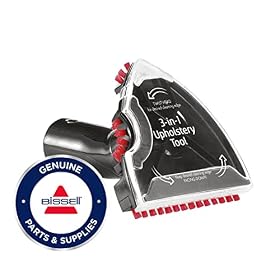
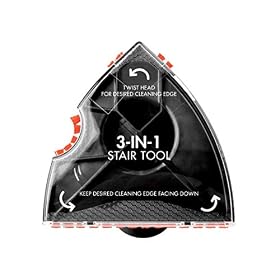
Hose tools let you clean stairs, furniture, car interiors, and isolated accidents without moving the entire upright machine.
A carpet cleaner is not a vacuum. Pick up loose pet hair, litter, and debris with a dry vacuum before using the carpet cleaner. This reduces wet clumps, protects the brush area from avoidable buildup, and helps the machine concentrate on embedded soil.
Features worth prioritizing
Separate clean- and dirty-water tanks
Separate tanks keep fresh water and recovered dirty water apart. This makes it easier to fill the machine with clean water and see when the recovery tank needs emptying. A removable dirty-water tank is especially useful in a pet household because it can be emptied and rinsed promptly after cleaning.
Check how the tanks are removed, carried, and latched. A large capacity can reduce refills, but a very large full tank may be heavy. If storage or lifting is a concern, a manageable tank design may matter more than maximum capacity.
Effective extraction and drying
Carpet that stays wet for too long can develop musty odors and may be vulnerable to damage, particularly over certain flooring types. Favor a cleaner that allows slow, deliberate passes and follow-up dry passes with no additional solution. Avoid soaking the carpet unnecessarily.
Drying also depends on carpet thickness, room ventilation, humidity, the amount of solution applied, and how many extraction passes you make. Open windows when appropriate, run fans, and keep pets off the carpet until it is fully dry.
Brush design and access for cleaning
Rotating brushes help work cleaning solution into carpet fibers, but they also collect hair. A brush roll that can be inspected and cleaned is valuable in homes with shedding pets. Look for clear instructions on removing hair, rinsing the brush area, and clearing debris from the nozzle.
Do not assume a brush marked “pet” is suitable for every carpet. Delicate, looped, antique, or specialty carpets may require a different cleaning method. Always check the carpet manufacturer’s care instructions and test the solution in an inconspicuous area.
Hose and pet tools
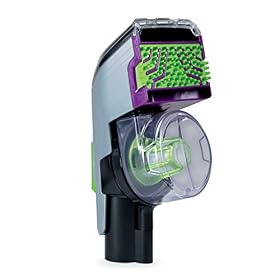
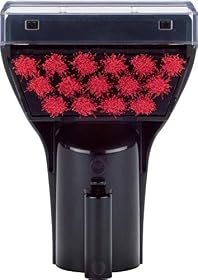
A hose is useful for stairs, edges, furniture, and concentrated accidents. A small powered or bristled pet tool can provide more targeted agitation than a standard upholstery nozzle, but it may require more cleanup after use.
Before buying, check the hose length, tool storage, and whether the hose can be flushed or rinsed. A tool that is difficult to clean can become a source of odor when used on pet accidents.
Controls and handling
Frequent carpet cleaning is easier when the controls are simple and the machine turns without excessive effort. Consider:
The cleaner’s weight when empty and when full
Handle height and grip comfort
How easily it fits under furniture
Cord length and cord storage
Whether the tanks and nozzle can be removed without tools
Whether the machine can be stored upright without leaking
These details affect how likely you are to clean promptly after an accident rather than postponing the job.
Product prices and availability are accurate as of the date/time indicated and are subject to change. Any price and availability information displayed on Amazon.com at the time of purchase will apply to the purchase of this product.
Choosing a cleaning formula for pet messes
Use only a formula approved by the carpet cleaner manufacturer. A pet formula may contain ingredients intended to reduce odor or break down organic residue, but stronger fragrance does not necessarily mean better cleaning.
Follow the dilution instructions exactly. Too much detergent can leave residue that attracts more soil, while an unsuitable household cleaner can create excess foam, damage internal components, or affect carpet color. Never mix different formulas, bleach, ammonia, or other household chemicals in the tank.
For urine or vomit, remove solids first and blot or extract excess moisture before applying the carpet-cleaning solution. Odor may remain if the contamination has reached the carpet backing or pad. In that situation, repeated surface cleaning may not solve the problem, and professional treatment or replacement of affected padding may be necessary.
Product prices and availability are accurate as of the date/time indicated and are subject to change. Any price and availability information displayed on Amazon.com at the time of purchase will apply to the purchase of this product.
Upright cleaner versus a portable spot cleaner
Choose an upright carpet cleaner when you expect to clean rooms, hallways, or several areas during one session. Its wider cleaning path and larger tanks generally make whole-carpet work more efficient.
A portable spot cleaner is better for quick response to small accidents, stairs, upholstery, and vehicle interiors. Many pet households benefit from owning or keeping access to both: an upright for scheduled deep cleaning and a portable unit for immediate spills. If you want one machine only, consider how often you clean full rooms versus isolated spots.
Product prices and availability are accurate as of the date/time indicated and are subject to change. Any price and availability information displayed on Amazon.com at the time of purchase will apply to the purchase of this product.
How to use an upright carpet cleaner in a pet home
Dry vacuum first. Remove loose hair, litter, crumbs, and grit.
Treat stains according to the carpet and formula instructions. Give the product the required dwell time without allowing it to dry if the instructions say otherwise.
Fill the clean-water tank correctly. Use the specified water temperature and formula amount; do not exceed the fill line.
Make slow wet passes. Moving too quickly can leave soil behind.
Make additional dry passes. Release the spray trigger and continue slowly to recover more water.
Empty and rinse the dirty-water tank. Do this promptly after cleaning.
Rinse the hose, nozzle, and brush area. Pet residue and hair can create odors if left inside.
Dry the machine parts before storage. Leave removable tanks or covers open where the manufacturer permits.
Ventilate the room. Keep pets away until the carpet is dry and free of strong cleaning-product residue.
Do not repeatedly saturate one area while trying to remove a stubborn stain. If the carpet is discoloring, the backing is becoming loose, or the odor persists, stop and use a method recommended for that carpet type.
When an upright carpet cleaner is not the right choice
An upright may be excessive if you only clean occasional spots, live in a small space, or cannot comfortably lift and store a full-size machine. A portable extractor may be easier to keep ready.
It may also be unsuitable for carpets that require low-moisture cleaning, delicate fibers, or professional care. Check the carpet warranty and manufacturer instructions before using any water-extraction machine.
Maintenance that matters in a pet household
Pet hair and organic residue make post-cleaning maintenance especially important. After each use, inspect the brush area, suction path, nozzle, hose opening, and tank seals. Remove hair by hand only when the machine is unplugged and the manufacturer’s instructions permit access.
If suction declines, check the filter, dirty-water tank, nozzle, hose, and seals before assuming the motor has failed. A full tank, poorly seated lid, clogged brush chamber, or damaged gasket can reduce recovery and leave carpet wetter than expected.
Replace filters, belts, brushes, tanks, or seals only with parts specified for the cleaner. If the machine smells electrical, trips a breaker, shows cord damage, leaks near electrical components, or makes an unusual grinding sound, unplug it and stop using it. Electrical repairs should follow the manufacturer’s service guidance or be handled by a qualified professional.
When to replace the cleaner
A replacement may be reasonable when the machine has repeated leaks, a damaged recovery tank, worn brushes, persistent loss of extraction, or unavailable replacement parts. If a single inexpensive consumable is responsible—such as a filter, brush, belt, or seal—replacing that part is usually preferable to replacing the entire cleaner.
For a new purchase, prioritize extraction, brush access, tank design, hose tools, and manufacturer-approved pet formulas over a package that simply includes more attachments. The best upright carpet cleaner for a pet household is one you can operate carefully, clean after every use, and store without creating extra maintenance work.
FAQ
Can I use any carpet shampoo in an upright carpet cleaner?
No. Use a formula approved by the cleaner’s manufacturer and follow its dilution instructions. Other cleaners may foam excessively, leave residue, damage components, or affect carpet color.
Is an upright carpet cleaner better than a portable cleaner for pet stains?
An upright is generally better for cleaning whole rooms and larger carpeted areas. A portable cleaner is easier to grab for isolated accidents, stairs, upholstery, and car interiors.
How often should I use an upright carpet cleaner in a home with pets?
There is no universal schedule. Clean when soil, odor, or traffic marks require it, while following the carpet manufacturer’s recommendations. Vacuuming frequently and treating accidents promptly can reduce the need for repeated wet cleaning.
Why is my carpet still wet after using the cleaner?
Check that the dirty-water tank is seated correctly, the nozzle and hose are clear, the filter is clean, and the seals are intact. Use slower dry passes without spraying. Thick carpet, high humidity, excess solution, and poor ventilation can also extend drying time.
Can a carpet cleaner remove pet urine odor completely?
It may remove surface contamination, but urine that has reached the pad or subfloor can remain after surface extraction. Persistent odor may require specialized treatment or replacement of affected materials.