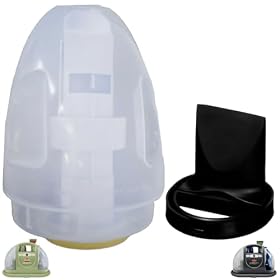
A hair-wrapped brush roll can reduce agitation, restrict the nozzle opening, and leave carpets wetter than normal. Unplug the cleaner, remove the buildup, then check filtration, hose clogs, seals, setup, and the recovery tank before suspecting the motor.
Brush roll full of hair slowing extraction
A brush roll packed with hair can slow a carpet cleaner’s cleaning performance and leave more water behind. Hair may stop the roll from turning at the correct speed, block the opening around the brush, or prevent the cleaner head from sitting properly against the carpet. Unplug the machine before cleaning the brush roll, and follow the manufacturer’s instructions for removing covers or belts.
Clean the brush roll first
Turn off and unplug the carpet cleaner. Do not work near the brush roll while the machine is connected to power.
Remove the floor nozzle or brush cover if the design allows it. Some covers use screws, tabs, or a release latch. Do not force a cover that is not intended to come off.
Cut away wrapped hair carefully. Small scissors or a seam ripper can help separate hair from the roll. Keep the cutting tool away from bristles, belts, and wiring.
Pull out the loosened hair and debris. Check both ends of the brush roll, where hair often collects around the bearings or end caps.
Clear the suction opening behind and around the brush. Hair and carpet fibers can form a mat that restricts dirty-water flow.
Check that the brush roll turns freely by hand. It may have some normal resistance, but it should not be locked by debris or scrape against the housing.
If the brush roll is damaged, has missing bristles, or will not turn after cleaning, a compatible replacement brush roll may be more practical than continuing to run the machine.
Check the filtration and recovery path
A clean brush roll will not restore extraction if the dirty-water path is restricted. Work through these checks in order:
1. Clean or replace the filter
Remove and inspect the recovery-tank filter, screen, or float-filter assembly. Hair, lint, carpet fibers, and detergent residue can reduce airflow or dirty-water flow. Rinse only parts that the manufacturer identifies as washable, and let them dry fully before reinstalling them.
A saturated, damaged, or permanently clogged filter should be replaced with the correct part. Avoid operating the cleaner without a required filter, because that can allow debris into the motor or pump area.
2. Inspect the hose and nozzle for clogs
Disconnect the machine from power and inspect the transparent nozzle, suction channel, hose, and tank inlet. Look for hair mats, carpet fibers, or dried cleaning solution. Remove reachable debris gently rather than forcing a rigid object deep into the hose, where it could damage a valve or become lodged farther inside.
If the cleaner has separate openings for clean water and recovered water, check both paths. A clean brush roll does not help if the recovery channel is blocked.
3. Check seals and tank connections
Poor extraction can result from an air leak rather than a blocked passage. Inspect the following:
Recovery-tank lid and gasket
Tank seating and locking tabs
Nozzle gasket or suction lip
Hose connections
Drain plugs and removable caps
Cracks in the tank or floor head
Clean hair and grit from sealing surfaces. Refit each tank and cover firmly. A pinched, loose, or damaged gasket can let air enter and reduce suction at the floor head.
Product prices and availability are accurate as of the date/time indicated and are subject to change. Any price and availability information displayed on Amazon.com at the time of purchase will apply to the purchase of this product.
Confirm the cleaner is set up correctly
Make sure the brush roll, nozzle, tank, and cover are fully installed. If the nozzle is slightly loose or the brush cover is not latched, the machine may lose contact with the carpet and recover less water.
Use the cleaner on the type of surface and with the amount of solution specified in the manual. Excessive detergent can create foam, while moving too quickly can leave the carpet wet even when the machine is working normally. Make slow recovery passes after releasing solution, and avoid flooding the carpet with more liquid than the machine is designed to pick up.
Product prices and availability are accurate as of the date/time indicated and are subject to change. Any price and availability information displayed on Amazon.com at the time of purchase will apply to the purchase of this product.
Empty a full tank or replace a full bag
A full recovery tank, closed float, or saturated collection filter can interrupt suction. Empty the tank before the maximum fill line, clean the float area, and reinstall the tank correctly. If your carpet cleaner uses a disposable collection bag rather than a tank, replace it when full or when airflow drops.
Do not continue operating after the machine’s full-tank indicator or automatic shutoff activates. Running it in that condition can reduce extraction and may stress the pump or motor.
Product prices and availability are accurate as of the date/time indicated and are subject to change. Any price and availability information displayed on Amazon.com at the time of purchase will apply to the purchase of this product.
Check the brush roll drive only after clearing debris
If the brush roll still does not turn, inspect the belt only if the manufacturer provides access and the manual describes the procedure. A hair-wrapped roll can stretch, break, or dislodge a belt. Do not operate the cleaner with a loose belt, exposed moving parts, or a damaged brush housing.
A replacement belt or brush roll is appropriate when the part is visibly worn, broken, or no longer maintains proper tension. Use a part specifically listed as compatible with the exact cleaner model; similar-looking parts may not fit or may alter brush height and belt alignment.
When the motor or pump may be the problem
Suspect the motor, pump, or electrical system only after the brush, filter, hose, seals, setup, and tank have been checked. Stop using the cleaner if it makes a burning smell, produces unusual grinding or electrical noise, repeatedly trips a breaker, overheats, or shows damaged wiring.
Unplug the unit and consult the manufacturer or a qualified appliance repair professional. Do not open a powered carpet cleaner or bypass a fuse, thermal protector, float switch, or other safety device.
When replacement is reasonable
A replacement part usually makes sense when the problem is limited to a brush roll, belt, filter, gasket, tank lid, or nozzle and the rest of the cleaner is in good condition. Replacing the machine may be more sensible when the motor or pump has failed, the main housing or tank is cracked, compatible parts are unavailable, or repair costs approach the value of the cleaner.
After cleaning or repair, test on a small area with plain water or the manufacturer-approved solution. Confirm that the brush turns, dirty water reaches the recovery tank, and the carpet is not being left unusually wet.
FAQ
Can hair on the brush roll reduce carpet cleaner suction?
Yes. Hair can stop the brush roll from turning correctly, block the floor-head opening, and prevent the nozzle from sealing against the carpet. The main suction path can also be clogged separately, so check the filter, hose, and recovery tank if cleaning the brush roll does not solve the problem.
How often should I remove hair from a carpet cleaner brush roll?
Inspect it after each pet-hair cleanup or whenever the brush begins to turn slowly, make unusual noise, or leave debris behind. Homes with long-haired pets may need to check the roll after every use.
Why is my carpet cleaner still leaving carpets wet after I remove the hair?
The recovery filter or hose may still be blocked, a tank gasket may be leaking air, the tank may be full or incorrectly seated, or the nozzle may not be installed correctly. Also use slower recovery passes and avoid applying more solution than the machine instructions recommend.
Should I replace the brush roll or the whole carpet cleaner?
Replace the brush roll, belt, filter, gasket, or nozzle when the fault is isolated and the cleaner is otherwise in good condition. Consider replacing the unit when the motor or pump has failed, the housing is damaged, or compatible repair parts are unavailable.