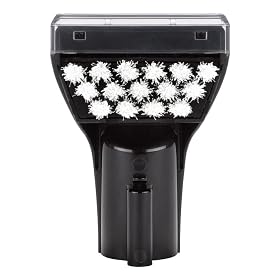
A pet carpet cleaner with a dedicated stain tool can handle isolated accidents without requiring a full-room cleaning. Here is what to look for in the machine, hose tool, tanks, brushes, and cleaning formula.
A carpet cleaner with a dedicated stain tool is the most practical choice for homes with pets because it lets you treat accidents, muddy paw prints, and upholstery messes without setting up the entire machine. The best option is not necessarily the largest carpet cleaner; look for a model with a genuinely useful hose tool, strong water extraction, easy tank maintenance, and accessories that match the types of messes your pets create.
What a dedicated stain tool does
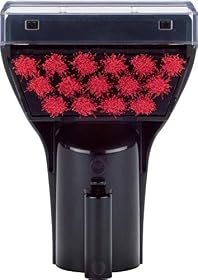
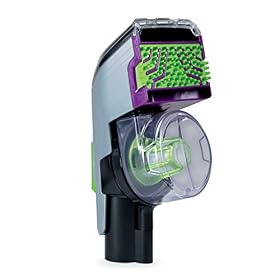
A dedicated stain tool is a handheld attachment connected to the carpet cleaner by a hose. It sprays cleaning solution onto a small area, agitates the fibers, and extracts the dirty liquid. Depending on the design, it may have a narrow nozzle for concentrated spots, a brush for scrubbing, or a wider head for upholstery and larger patches.
This tool is useful for:
Pet urine and vomit spots
Muddy paw prints near doors
Food and water spills
Stairs and vehicle carpeting
Sofas, cushions, and other water-safe upholstery
Small areas that do not justify cleaning an entire room
Check the product description carefully. A machine may include a standard upholstery or stair tool without offering a specialized pet stain attachment. If treating isolated messes is your main reason for buying, the tool's spray pattern, brush design, and extraction opening matter more than the number of included accessories.
Features that matter most for pet messes
A hose tool that controls the spray
For small accidents, controlled application is important. Too much water or formula can spread the stain, soak the carpet pad, and lengthen drying time. A narrow or targeted spray pattern is generally easier to manage than a large floor head.
A tool with a built-in brush can help loosen dried residue, but avoid aggressive scrubbing on delicate carpet or upholstery. Follow the carpet or fabric manufacturer's care instructions before applying water or cleaning solution.
Strong water extraction
Extraction affects both cleaning results and drying time. The machine should remove as much dirty water as possible after the solution has loosened the stain. Carpet that remains very wet can develop odors and may allow moisture to reach the pad or floor underneath.
Manufacturers do not always publish directly comparable suction specifications, so do not choose solely by a claimed power number. Look for a well-sealed hose connection, a tool that sits firmly against the surface, and clear instructions for slow extraction passes.
Separate clean- and dirty-water tanks
Separate tanks keep fresh water and recovered water apart. This makes it easier to fill the machine, empty the dirty tank, and avoid putting contaminated water back onto the carpet.
For frequent spot cleaning, tank size is a tradeoff:
Smaller tanks: Easier to carry and quicker to empty, but may require more refills.
Larger tanks: Better for multiple rooms or repeated accidents, but heavier when full.
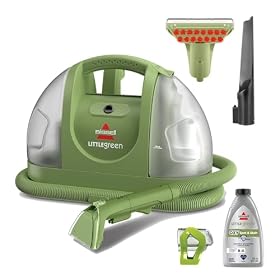
Portable spot machines: Convenient for quick treatment, but generally cover less area per fill than full-size carpet cleaners.
A removable dirty-water tank is especially helpful because pet messes should be emptied and rinsed promptly rather than left sitting in the machine.
Pet-focused tools and brush design
Look for a tool intended for stains, upholstery, stairs, or pets rather than assuming every attachment performs the same job. A brush can help with surface residue, while a rubberized or smooth extraction opening may be easier to rinse after dealing with hair and debris.
Remove loose hair, solid material, and litter before using the machine. Carpet cleaners are designed for liquid cleaning, not for vacuuming up large amounts of dry debris or solid waste.
Easy cleanup after use
Pet messes make maintenance particularly important. Useful design features can include:
A dirty tank that opens fully for rinsing
A removable filter or screen
A hose-rinse or self-cleaning procedure
Accessible brush rolls or tool openings
Clear tank-level markings
Parts that can air-dry separately
Always follow the manufacturer's cleaning procedure. Do not store the machine with dirty water, used formula, or damp parts sealed inside.
Product prices and availability are accurate as of the date/time indicated and are subject to change. Any price and availability information displayed on Amazon.com at the time of purchase will apply to the purchase of this product.
Full-size carpet cleaner or portable spot cleaner?
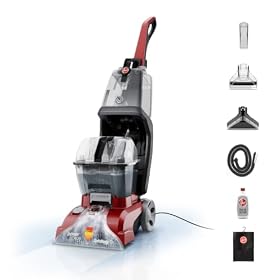
Choose a full-size carpet cleaner with a dedicated hose tool if you regularly clean rooms, hallways, rugs approved for wet cleaning, and isolated stains. It gives you a floor-cleaning head while still providing a way to handle stairs, upholstery, and accidents.
Choose a portable spot cleaner if your main need is quick treatment of small areas. It is easier to carry and store, and it can remain ready for use near a pet's usual accident areas. Its smaller tanks and narrower cleaning path make it less suitable for cleaning large rooms efficiently.
A full-size machine is not automatically better. If the machine will be difficult to move, fill, empty, or store, a smaller unit that is available when needed may be the more practical choice.
Product prices and availability are accurate as of the date/time indicated and are subject to change. Any price and availability information displayed on Amazon.com at the time of purchase will apply to the purchase of this product.
How to use the stain tool on a pet accident
Remove solid debris first. Use disposable material or a suitable tool, then dispose of it safely.
Blot fresh liquid. Press with absorbent towels instead of rubbing outward from the stain.
Check the surface. Confirm that the carpet or upholstery is water-safe and colorfast in an inconspicuous area.
Apply the approved formula. Use only the type and dilution specified for the machine. More solution is not necessarily better.
Agitate carefully. Use the tool's brush with moderate pressure, especially on delicate fibers.
Make slow extraction passes. Release spray according to the instructions, then make additional passes without spraying to remove moisture.
Rinse if instructed. Some formulas or machines call for a clean-water rinse; others do not.
Dry the area completely. Increase airflow with fans or ventilation and keep pets away until the surface is dry.
For urine odors that have penetrated the carpet pad, surface cleaning may not solve the problem. An appropriate enzymatic product may help with odor, but it must be compatible with the carpet, machine, and manufacturer instructions. Severe or repeated contamination may require professional carpet treatment or replacement of affected padding.
Product prices and availability are accurate as of the date/time indicated and are subject to change. Any price and availability information displayed on Amazon.com at the time of purchase will apply to the purchase of this product.
Common buying mistakes
Choosing by motor power alone
A higher advertised power figure does not tell you how effectively the tool sprays, seals against the surface, agitates fibers, or extracts dirty water. Consider the complete cleaning system instead.
Using too much formula
Overusing detergent can leave residue that attracts new soil. Measure the solution as directed and avoid substituting household cleaners unless the manufacturer specifically permits it.
Ignoring tool storage
A dedicated stain tool is only useful if the hose and attachment are easy to store and retrieve. Check whether the machine has a secure place for the tool and whether the hose can be wrapped without kinking.
Treating every upholstery fabric the same way
Some upholstery should not be wet-cleaned. Look for the fabric's cleaning code or care instructions, test an inconspicuous area, and stop if color transfers or the fabric reacts unexpectedly.
Product prices and availability are accurate as of the date/time indicated and are subject to change. Any price and availability information displayed on Amazon.com at the time of purchase will apply to the purchase of this product.
When to replace the tool, machine, or formula
Replace a stain tool when its nozzle is cracked, the brush is damaged, the hose connection leaks, or it no longer seals against the surface after cleaning and inspection. Use the exact replacement part specified for the machine; attachments are not necessarily interchangeable.
A replacement machine becomes reasonable when the hose, tank, or internal seals leak repeatedly; the motor produces unusual electrical smells or sparking; the machine trips a circuit; or it cannot extract water after the filter, hose, and tool have been checked. Unplug the machine before inspecting it, and do not open electrical components unless the manufacturer permits it and you are qualified to do so.
If the machine works properly but pet odors keep returning, the issue may be contamination below the carpet surface rather than inadequate surface equipment. Consider professional assessment instead of repeatedly saturating the area.
FAQ
Is a dedicated stain tool worth having on a pet carpet cleaner?
Yes, especially if you regularly clean accidents, stairs, upholstery, or small muddy areas. It lets you target a spot without using the full floor head, but the tool should provide controlled spraying and effective water extraction.
Can I use a pet carpet cleaner on a sofa?
Only if the upholstery is labeled or documented as safe for water-based cleaning. Test an inconspicuous area first, use the recommended formula, and avoid oversaturating cushions or fabric.
What is better for pet accidents: a full-size carpet cleaner or a portable spot cleaner?
A portable spot cleaner is convenient for frequent small accidents, while a full-size carpet cleaner is more versatile if you also need to clean entire rooms. Choose based on the area you clean most often and how much storage and carrying weight you can manage.
Why does a carpet still smell after using a stain tool?
The odor may have reached the carpet pad or subfloor, or residue may remain after cleaning. Avoid repeatedly soaking the area; check whether an appropriate enzymatic treatment is compatible with the surface, and seek professional help for persistent or widespread odors.