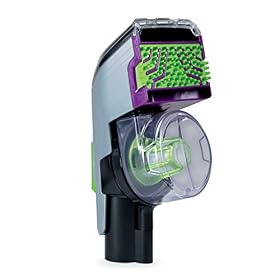
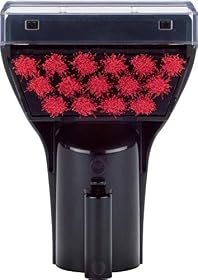
The best carpet cleaner for a whole house balances cleaning performance with practical details such as tank capacity, floor coverage, weight, hose reach, and drying time. Here is how to choose the right type for your home and avoid buying a machine that is too small, heavy, or difficult to maintain.
A good whole-house carpet cleaner should remove embedded soil without making the job unnecessarily slow or exhausting. For most homes, the best choice is a full-size upright extractor with separate clean- and dirty-water tanks, a brush roll or agitating brush system, useful hose reach, and enough capacity to cover several rooms before refilling.
The right machine depends on your carpet area, number of stairs, amount of pet mess, storage space, and how quickly you need the floors to dry. A larger tank can reduce interruptions, but a lighter machine may be easier to carry and maneuver.
What to look for in a whole-house carpet cleaner
Separate clean- and dirty-water tanks
Separate tanks keep fresh cleaning solution apart from extracted wastewater. This makes it easier to fill the machine with clean water and empty the dirty tank when needed.
For whole-house cleaning, look for:
A clean-water tank large enough to cover several rooms
A dirty-water tank that does not require constant emptying
Wide tank openings that are easy to fill and rinse
Secure tank seals and handles
Clearly marked maximum-fill lines
Tank capacity is useful, but it is not the only factor. A large tank adds weight, especially when full. If you have stairs or limited strength, a somewhat smaller, lighter machine may be more practical.
Cleaning width
A wider cleaning path can reduce the number of passes required across open rooms. This matters in a whole house with large bedrooms, hallways, or living areas.
However, a wide head may be harder to use around furniture, narrow hallways, and stairs. A moderate-width upright is often the better compromise when a home has a mixture of open spaces and tight areas.
Brush action and height adjustment
Carpet cleaners use brushes or brush rolls to agitate fibers while the machine sprays and extracts water. Look for a brush system that is appropriate for your carpet type and can be accessed for cleaning.
Height adjustment can help the cleaner sit correctly on different carpet piles. Always follow the carpet manufacturer’s care instructions. Delicate, natural-fiber, antique, or glued-down carpets may require professional cleaning rather than a home extractor.
Water extraction and drying time
A carpet cleaner does not simply wash carpet; it also needs to remove as much moisture as practical. Strong extraction can help reduce drying time, but drying also depends on carpet thickness, humidity, airflow, room temperature, and how much solution was applied.
Useful features include:
A suction path that maintains contact with the carpet
A trigger or control that limits solution dispensing
A clear dirty-water tank so you can see when extraction is taking place
A tool or hose for edges, stairs, and upholstery
Do not repeatedly soak an area because it appears dirty. Several controlled passes with limited solution are generally preferable to flooding the carpet.
Upright, portable, or canister-style carpet cleaner?
Full-size upright carpet cleaner
An upright is usually the most suitable format for cleaning an entire house. It typically offers a wider cleaning path, larger tanks, and a more comfortable handle for long floor-cleaning sessions.
Choose an upright when you have:
Multiple carpeted rooms
Large open areas
Frequent pet accidents or tracked-in soil
Enough storage space for a larger appliance
The tradeoff is weight. A full tank can make an upright difficult to carry upstairs, and its larger body may not fit easily in a small closet.
Portable spot cleaner
Portable cleaners are designed for stains, upholstery, stairs, car interiors, and small carpeted areas. They are easier to store and carry but usually require more passes and more refills for a whole house.
A portable unit may make sense for a small apartment, mostly hard-floor home, or occasional spot treatment. It is usually not the efficient choice for cleaning several carpeted rooms at once.
Canister-style extractor
A canister-style cleaner can be useful when you need hose reach for stairs, upholstery, or difficult-to-reach areas. Its separate cleaning head may be easier to maneuver in some spaces, but setup and storage can be less convenient than with an upright.
Product prices and availability are accurate as of the date/time indicated and are subject to change. Any price and availability information displayed on Amazon.com at the time of purchase will apply to the purchase of this product.
Features that matter for homes with pets
Pet-focused accessories can be useful for stains, but they do not replace prompt treatment and thorough extraction. If pets are a major source of mess, prioritize:
A hose and hand tool for isolated accidents
A tool designed to lift hair and debris without quickly clogging
Easy brush-roll access for removing wrapped hair
A formula labeled for carpet and appropriate for your carpet manufacturer’s guidance
Strong access to the dirty-water tank for frequent emptying and rinsing
Remove solid debris before using the machine. For urine or other biological stains, use a compatible enzymatic treatment when appropriate, and follow the product directions. Never mix carpet-cleaning chemicals unless the manufacturers specifically say they are compatible.
Product prices and availability are accurate as of the date/time indicated and are subject to change. Any price and availability information displayed on Amazon.com at the time of purchase will apply to the purchase of this product.
How much hose reach do you need?
Hose reach matters for stairs, landings, upholstery, and rooms where moving the machine is inconvenient. A short hose may force you to carry the cleaner repeatedly, while a longer hose can make detailed work easier.
Check how the hose is stored and whether the hand tool is included. A long hose is only useful if it remains secure, does not kink easily, and can be rinsed after use.
Whole-house cleaning features worth prioritizing
For this job, prioritize features in roughly this order:
Effective extraction and controlled solution dispensing
Tank capacity appropriate for your home and lifting ability
A cleaning width that suits your room layout
Brush access and easy maintenance
Hose reach and useful attachments
Maneuverability and storage footprint
Cord length and cord-management design
Automatic detergent mixing can simplify preparation, while manual mixing may offer more control over the cleaning solution. Neither approach removes the need to use the correct formula and dilution.
A corded machine is generally more practical for extended whole-house cleaning than a battery-powered spot cleaner. Keep the cord away from wet areas, use a properly rated outlet, and follow the manufacturer’s electrical and operating instructions.
How to clean a whole house efficiently
1. Vacuum first
Remove loose dirt, hair, and grit with a regular vacuum. Carpet extraction is more effective when the cleaner is not trying to collect large amounts of dry debris.
2. Check the carpet and test the solution
Read the carpet manufacturer’s care instructions. Test the cleaning solution and machine in an inconspicuous area, especially if the carpet is dark, patterned, old, or prone to color bleeding.
3. Plan your route
Start at the farthest room and work toward the exit. Move small furniture and protect items that should not get wet. Keep the cleaner’s cord and hose positioned behind you where possible.
4. Use controlled wet and dry passes
Apply solution according to the machine instructions, then make slower extraction passes without continuously dispensing water. Excessive solution can lengthen drying time and may leave residue.
5. Increase airflow
Open doors or windows when conditions allow, use fans, and avoid replacing furniture until the carpet is adequately dry. Keep people and pets off damp carpet when practical.
6. Rinse and maintain the machine
Empty and rinse the dirty-water tank after use. Rinse the clean-water tank, hose, removable tools, nozzle, and brush area as directed. Remove hair and fibers from the brush system before storing the cleaner.
When a whole-house carpet cleaner is not the right choice
Renting or hiring a professional may be more appropriate when carpets are heavily soiled, water-damaged, delicate, unusually thick, or too large for your available time and storage space. Professional help is also worth considering if repeated home cleaning leaves persistent odor or staining.
If you plan to clean only a few stains each month, a portable spot cleaner may be better value and easier to store than a full-size machine. Conversely, buying a larger upright can make sense when you have multiple carpeted rooms, pets, or a regular deep-cleaning routine.
Bottom line
For most whole-house jobs, choose a full-size upright carpet cleaner with separate tanks, a practical cleaning width, accessible brushes, good extraction, and a hose for stairs and upholstery. Favor the largest capacity you can comfortably move and store rather than simply choosing the biggest machine available. Proper vacuuming, measured solution use, slow extraction passes, and thorough drying are just as important as the cleaner’s headline features.
FAQ
What size carpet cleaner is best for a whole house?
A full-size upright is usually the most practical option because it combines a wider cleaning path with larger tanks. Choose capacity based on how much carpet you have and how comfortably you can carry a full machine.
Is a portable carpet cleaner enough for a whole house?
It can handle a small apartment or limited carpet area, but a portable unit generally takes longer and requires more refills for several rooms. It is better suited to spots, stairs, upholstery, and pet accidents.
How long should carpet take to dry after cleaning?
Drying time varies with carpet thickness, humidity, airflow, temperature, and the amount of water applied. Use controlled solution passes, extract thoroughly, and improve airflow with fans or ventilation.
Can I use a carpet cleaner on every type of carpet?
No. Check the carpet manufacturer’s care instructions first. Delicate, natural-fiber, antique, or glued-down carpet may need specialized or professional cleaning.
What should I do if a carpet cleaner leaves the carpet too wet?
Stop dispensing solution and make additional slow extraction-only passes. Check that the dirty tank is installed correctly, the nozzle and hose are not clogged, and the machine is set up as directed. Improve airflow and contact the manufacturer if suction remains weak.