The best carpet cleaner for a basement rec room should remove stains without leaving the carpet overly wet. Compare upright extractors, portable spot cleaners, and the features that matter most in a basement.
A basement rec room usually needs more than a small spot cleaner. For wall-to-wall carpet, choose a full-size carpet extractor with strong water recovery, separate clean- and dirty-water tanks, and enough tank capacity to cover the room without constant refilling. A portable cleaner is useful for stairs, furniture, and isolated pet stains, but it is slower for cleaning an entire rec room.
Before buying, consider the room's carpet type, the size of the area, how often spills occur, and how easily you can ventilate the basement afterward. Carpet cleaners rinse and extract moisture; they do not solve an underlying leak, flooding problem, or chronically damp basement.
Quick recommendation
For most carpeted basement rec rooms, a corded upright carpet cleaner is the practical primary choice. Look for:
Separate clean- and dirty-water tanks
A dirty-water tank that is easy to empty and rinse
Adjustable cleaning or rinse settings, if available
Strong suction or water-recovery design
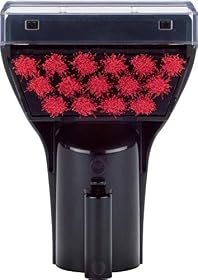
A hose and handheld tool for stairs, edges, and furniture
Brush controls or a carpet-height setting suited to your carpet
A long enough cord and hose for the room layout
Removable brushes and tanks for cleaning and drying after use
Choose a portable spot cleaner instead when the room has only a few small rugs or when most of the work involves stairs, upholstery, pet accidents, and small spills. If the basement has had standing water or sewage contamination, do not rely on a household carpet cleaner; follow local health guidance and consider professional water-damage remediation.
What to look for in a basement rec-room carpet cleaner
Water extraction matters most
A carpet cleaner sprays cleaning solution into the carpet and then recovers the dirty liquid. The more effectively it removes moisture, the faster the carpet can dry and the lower the risk of musty odors. Favor a machine designed around extraction rather than one that only agitates and wets the carpet.
A machine that leaves the carpet very wet may be a poor fit for a basement with limited airflow. Plan to run fans, use a dehumidifier if appropriate, and keep people and pets off the carpet until it is fully dry.
Tank capacity affects cleaning time
A larger clean-water tank can reduce refills during a large-room cleaning session, but it also adds weight. A smaller machine may be easier to carry downstairs and maneuver around furniture. Compare tank capacity with the size of the room and your ability to lift a full tank safely.
The dirty-water tank is just as important. It should have enough capacity for the cleaning session and a lid or design that limits spills while you carry it to a drain or sink.
Match the cleaner to the carpet
Low-pile and standard cut-pile carpet are generally easier to clean than thick, shaggy, or delicate carpet. Deep brushes and aggressive agitation can be unsuitable for some carpet constructions. Check the carpet manufacturer's care instructions before using a new machine, and test the cleaner and formula in a hidden area first.
For thick carpet, prioritize height adjustment, brush control, and maneuverability. If the carpet is looped, loosely installed, or prone to fuzzing, use a conservative setting and avoid repeated passes over one spot.
Consider stairs and furniture
A basement rec room may connect to stairs, contain a sectional, or have carpeted edges that an upright cannot reach. A hose, crevice tool, stair tool, or handheld brush can make these areas much easier to clean.
If stairs and upholstery are a major part of the job, a portable unit may be more convenient than an upright, even if it takes longer on the main floor. Some households use an upright for broad carpet cleaning and keep a portable spot cleaner for maintenance.
Look for practical maintenance features
After each use, you should be able to remove and rinse the tanks, clean the brush area, and inspect the suction path. Removable brushes and accessible covers reduce the chance that hair, carpet fibers, and residue will cause odors or reduced performance.
Avoid leaving dirty water or a damp filter inside the machine. Let washable parts dry according to the manufacturer's instructions before reassembling the cleaner.
Product prices and availability are accurate as of the date/time indicated and are subject to change. Any price and availability information displayed on Amazon.com at the time of purchase will apply to the purchase of this product.
Upright vs. portable carpet cleaner
Upright carpet cleaner: best for wall-to-wall carpet
An upright is usually the better choice when the rec room has a substantial carpeted area. Its wider cleaning path covers more floor per pass, and its tank and brush system are generally designed for room-sized cleaning.
Tradeoffs include greater weight, more storage space, and less convenient handling on stairs. Measure the storage area and check that the machine can be carried safely down the basement stairs.
Portable spot cleaner: best for stains and upholstery
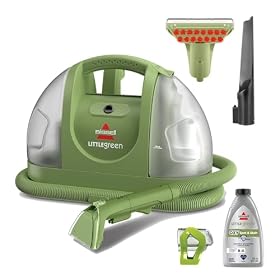
A portable cleaner is useful for pet accidents, drink spills, entry areas, stairs, couches, and small rugs. It is easier to carry and store, but its smaller tank and narrower tool make full-room cleaning slower.
For a rec room that mainly needs occasional spot treatment, portability may matter more than cleaning width. For frequent whole-room cleaning, an upright is usually less frustrating.
Two-cleaner setup: useful for frequent messes
If the room sees pets, children, parties, or frequent spills, an upright plus a small portable cleaner can be a sensible combination. Use the portable machine for immediate spot treatment and the upright for periodic deep cleaning. This is not necessary for every household, so start with the machine that matches the most common job.
Product prices and availability are accurate as of the date/time indicated and are subject to change. Any price and availability information displayed on Amazon.com at the time of purchase will apply to the purchase of this product.
How to clean a basement rec room safely
Fix moisture problems first. Address leaks, seepage, condensation, or a damp subfloor before deep cleaning the carpet.
Vacuum slowly. Remove loose dirt, hair, and grit before adding water or formula.
Check the carpet label. Follow the carpet manufacturer's cleaning instructions and use a compatible formula.
Test a hidden area. Check for color transfer, texture changes, or unusual browning.
Use measured formula. More cleaning solution is not necessarily better and can leave residue that attracts soil.
Make controlled passes. Follow the cleaner's instructions and avoid repeatedly soaking one area.
Use extra extraction passes. If the machine allows it, make slow passes without spraying to collect more moisture.
Dry the room quickly. Increase airflow with fans and manage humidity with ventilation or a dehumidifier when safe and suitable.
Empty and rinse the cleaner. Clean the tanks, brush area, nozzle, and hose as directed.
Do not operate a corded cleaner near standing water, wet electrical outlets, damaged cords, or flooded flooring. Unplug the machine before clearing a clog or performing maintenance. If water has reached electrical components, have the area assessed by a qualified professional.
Product prices and availability are accurate as of the date/time indicated and are subject to change. Any price and availability information displayed on Amazon.com at the time of purchase will apply to the purchase of this product.
Common basement stains and the right approach
Pet accidents: Blot fresh liquid first, then use a compatible carpet formula. Odor can remain in the pad even after surface cleaning.
Mud: Let heavy mud dry when practical, vacuum it thoroughly, and then extract the remaining soil.
Food and drink: Remove solids and blot rather than rubbing. Test the formula before treating a visible area.
Musty odor: Cleaning may help surface odor, but persistent mustiness usually points to excess moisture in the room, carpet pad, subfloor, or surrounding structure.
Old dark spots: Repeated treatment may not remove dye transfer, chemical discoloration, wear, or stains that have reached the pad.
When to choose a different solution
A carpet cleaner may not be the right first purchase if the rec room has recurring dampness, visible mold, sewage contamination, or carpet that is already separating from the floor. Correct the moisture or installation problem first.
For small areas, a portable cleaner can be more practical than storing a full-size upright. For a large room cleaned frequently, prioritize extraction, tank capacity, and serviceable parts over the lightest body or the largest number of included attachments.
The best choice is the machine you can safely carry, fill, empty, clean, and dry after every use—and that matches whether you are cleaning the entire room or mainly treating isolated messes.
FAQ
What type of carpet cleaner is best for a basement rec room?
A corded upright carpet extractor is usually the best fit for a wall-to-wall carpeted rec room because it covers more floor and is designed for room-sized cleaning. A portable cleaner is better for small areas, stairs, upholstery, and spot treatment.
How can I keep basement carpet from smelling musty after cleaning?
Remove as much moisture as possible with slow extraction passes, then increase airflow and manage humidity while the carpet dries. Persistent musty odor may indicate moisture in the pad, subfloor, or basement structure rather than a cleaning issue.
Can I use a carpet cleaner if my basement has had water damage?
Do not use a household carpet cleaner to handle standing water, sewage contamination, or water that may have reached electrical components. Address the source and follow professional or local health guidance before cleaning.
Is a larger tank better for cleaning a basement rec room?
A larger tank can reduce refills during whole-room cleaning, but it also adds weight. Choose a capacity you can safely carry down the stairs and empty, while considering the room's size and the machine's water-recovery performance.
Should I buy a portable or upright carpet cleaner for pet stains?
Choose a portable cleaner if pet accidents are localized and you also need to clean stairs or upholstery. Choose an upright if pets soil broad areas or the entire rec-room carpet needs regular deep cleaning.