A carpet cleaner hose clogged with carpet fuzz usually needs a careful filter and hose inspection, not a new machine. Unplug the cleaner, remove loose fuzz from the hose ends, and flush or clean the hose only as the manufacturer allows.
A carpet cleaner hose clogged with carpet fuzz can reduce suction, stop dirty water from reaching the recovery tank, or make the machine sound strained. Unplug the cleaner first, then check the filter and hose in order. Most blockages can be removed without special tools, but do not force a sharp object through the hose or run the machine with parts removed.
1. Unplug the carpet cleaner and empty the tanks
Turn off and unplug the machine before inspecting the hose. Remove the clean-water and recovery tanks, and empty the recovery tank if it is full. This prevents spills and makes it easier to see whether dirty water is flowing normally.
Keep the machine upright unless the manufacturer specifically permits another position. Water can reach electrical parts if the cleaner is tilted or opened incorrectly.
2. Check the filters and screens first
Carpet fuzz often collects at a small screen, float, lint filter, or recovery-tank filter before it reaches the hose. Remove only the filters that the manual identifies as user-serviceable.
Rinse washable filters with clean water and let them dry completely before reinstalling them. Replace filters that are torn, permanently matted, or still restrict airflow after cleaning. A clogged filter can feel like a hose blockage because both problems reduce suction.
Do not operate the cleaner without a required filter. Fine carpet fibers can reach the fan, pump, or motor and cause more serious damage.
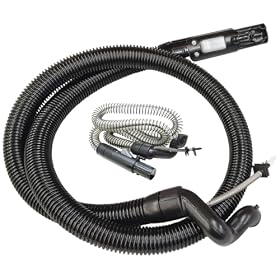
Replacement hose for a damaged or permanently clogged unit
Product prices and availability are accurate as of the date/time indicated and are subject to change. Any price and availability information displayed on Amazon.com at the time of purchase will apply to the purchase of this product.
3. Inspect both ends of the hose
Disconnect the hose if your model has a removable hose. Look into the tool end, the machine connection, and any short inlet passages. Pull out visible fuzz with your fingers or blunt plastic tweezers.
If the hose is clear near both ends but still has poor airflow, shine a flashlight through it or gently bend it section by section. A kinked or collapsed hose can trap carpet fibers even when the opening looks clear.
For a wet-cleaning hose, follow the manufacturer’s instructions before rinsing it. Some hoses can be flushed with clean water; others contain fittings or electrical connections that should not be submerged. Drain the hose afterward and allow it to dry if the manual calls for drying.
Avoid forcing the blockage deeper
Do not use a coat hanger, screwdriver, drill, or other sharp rod. It can puncture the hose, damage an internal seal, or push the fuzz into the machine. If a flexible hose-cleaning brush is approved for your hose, use one gently from the larger opening rather than forcing it through resistance.
Product prices and availability are accurate as of the date/time indicated and are subject to change. Any price and availability information displayed on Amazon.com at the time of purchase will apply to the purchase of this product.
4. Check for leaks and loose seals
A hose may appear clogged when the real problem is an air leak. Inspect the hose for splits, pinholes, crushed sections, and loose collars. Check the rubber seals or O-rings at the hose connection and tool attachment.
A damaged seal can cause weak suction and leave dirty water in the carpet even after the visible fuzz is removed. Replace a seal only with the correct part for the cleaner. Replace the hose if it is cracked, permanently collapsed, or leaking at a molded connection.
5. Confirm the hose and tool are installed correctly
Reconnect the hose firmly and make sure any locking tabs, clips, or quick-connect fittings are fully engaged. Check the hand tool’s spray opening and suction channel as well. Carpet fibers can collect in the tool head and make the hose seem blocked.
If the cleaner uses a separate upholstery or stair tool, remove the tool and check suction at the hose connection. Strong suction without the tool points to a blocked or damaged attachment. Weak suction at the hose itself points back to the hose, filter, tank seal, or machine inlet.
6. Check the recovery tank and float
A full recovery tank, incorrectly seated lid, or stuck float can stop suction. Empty the tank, clean the lid and gasket, and reinstall it exactly as shown in the manual.
The float may rise when the tank is full and can sometimes remain obstructed by fuzz or dirty water. Clean around it gently without forcing it. If the float does not move as designed, stop using the machine until the manufacturer’s instructions identify a safe cleaning or replacement procedure.
7. Consider the motor or pump only after the physical checks
If the hose, tool, filters, seals, and tanks are clear and correctly installed, listen for unusual changes. A high-pitched motor sound, burning odor, repeated shutdown, or no suction at the machine inlet may indicate a fan, motor, pump, or electrical problem.
Unplug the cleaner and do not bypass thermal protection or open electrical compartments unless you are qualified and the manufacturer specifically permits service. Contact the manufacturer or a qualified appliance repair professional when the machine smells hot, trips a breaker, leaks near electrical components, or remains unusually loud after the blockage is cleared.
When to replace the hose or cleaner
A replacement hose is usually the reasonable next step when the original hose is punctured, collapsed, permanently stretched, or impossible to clear without damaging it. Match the replacement to the exact carpet cleaner model; hose connectors and seals are not universal.
Consider replacing the cleaner only when repair parts are unavailable, the machine has multiple failures, or motor and electrical repairs would not be economical. If the machine has normal suction at the hose but poor cleaning after the blockage is cleared, inspect the brush roll, spray jets, formula mix, and recovery-tank seal before assuming the motor has failed.
Prevent carpet fuzz from clogging the hose again
Vacuum loose carpet fibers, pet hair, and large debris before wet cleaning.
Empty the recovery tank before it reaches the full mark.
Clean the recovery filter or screen after each heavily soiled job.
Rinse the hose only as directed by the manufacturer.
Store the hose in a wide, natural loop rather than a tight bend.
Use only the recommended cleaning formula and dilution.
Check the hand tool and hose opening when switching between rooms or cleaning pet accidents.
FAQ
Why does carpet fuzz collect in my carpet cleaner hose?
Loose fibers, pet hair, and debris can be pulled into the suction path during wet cleaning. A dirty recovery filter, full tank, damaged tool, or insufficient pre-vacuuming can make buildup more likely.
Can I flush a carpet cleaner hose with water?
Only if the manufacturer allows it. Some hoses can be rinsed and drained, while others include fittings or connections that should not be submerged. Follow the manual and let the hose dry as directed.
What should I use to remove carpet fuzz from a hose?
Start with your fingers or blunt plastic tweezers at the hose opening. A flexible hose-cleaning brush is appropriate only if it fits without force and is compatible with the hose. Avoid wire, screwdrivers, and other sharp objects.
Why is my carpet cleaner still losing suction after I clear the hose?
Check the filters, recovery-tank float, tank lid, hose seals, tool head, and hose for leaks or kinks. If suction remains weak at the machine inlet or the motor sounds abnormal, the fan, motor, pump, or electrical system may need professional service.