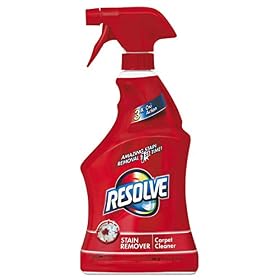
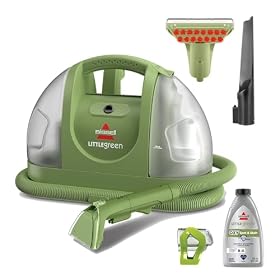
Buying Enzyme Treatment Plus the Extractor as a Pair
An enzyme treatment and carpet extractor solve different parts of a stain problem. Use the treatment to break down organic residue, then use the extractor to rinse and remove it. Here is how to choose compatible products and avoid common mistakes.
Buying enzyme treatment plus the extractor as a pair
For pet accidents, food spills, and other organic stains, an enzyme treatment and a carpet extractor work best as a system. The enzyme formula helps break down the residue causing the stain or odor; the extractor then flushes out loosened material and removes excess moisture. Buying either one without checking compatibility can leave residue behind, oversaturate the carpet, or damage the machine.
What each product does
An enzyme treatment is a pre-treatment, not a replacement for extraction. It is designed to work on organic soils such as urine, vomit, feces, blood, food, and some body oils. Its effectiveness depends on the formula, the type of residue, contact time, and whether the product is suitable for the carpet fiber and backing.
An extractor applies cleaning solution and recovers dirty water. Important differences between extractors include:
Spray and recovery design: A tool that dispenses too much liquid or recovers too little can leave carpet wet for too long.
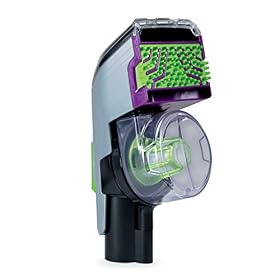
Hose and tool access: A dedicated upholstery or stair tool can make spot treatment easier than using a full-width floor head.
Tank capacity: Larger tanks reduce refilling, while smaller machines are easier to carry and store.
Wet-only operation: If you plan to use an enzyme pre-treatment, the extractor should be approved for the intended cleaning solution and recovery method.
Rinse capability: A clean-water rinse helps remove enzyme formula, dissolved soil, and surfactant residue after treatment.
Do not assume that a formula labeled “carpet cleaner” is safe to pour into every extractor. Follow both the chemical label and the machine manual.
How to choose a compatible pair
Start with the carpet and the stain
Check the carpet manufacturer's care instructions if available. Synthetic carpet and natural fibers may have different chemical and moisture limits. Also identify whether the problem is a fresh accident, an old odor, a broad soil area, or a localized spot.
For an isolated pet accident, a spot-oriented enzyme formula and a portable extractor may be more practical than a large upright machine. For multiple rooms, a larger extractor can save time, but it still needs controlled water application and thorough recovery.
Check the enzyme formula
Look for clear instructions covering:
Carpet and upholstery compatibility
Required dwell or contact time
Whether the product should be diluted
Whether it should be blotted, rinsed, or extracted
Whether it is intended for urine, feces, food, or general organic stains
Any warnings for wool, silk, leather, dyed materials, or stain-resistant treatments
Avoid mixing enzyme products with disinfectants, bleach, strong acids, or other cleaners unless the manufacturer specifically allows it. Some chemicals can deactivate the enzymes, create hazardous vapors, or damage carpet.
A low-foaming formula is generally more suitable for a machine tank, but “low foaming” alone does not prove compatibility. If the label says to apply the product directly and remove it by blotting or rinsing, do not automatically add it to the extractor's solution tank.
Check the extractor
Choose a machine with a carpet-safe floor tool, a usable recovery tank, and instructions that explain which solutions are approved. For spot cleaning, tool size and maneuverability often matter more than tank capacity. For larger areas, recovery performance and drying time become more important.
Do not select a machine solely by motor wattage or suction claims. Effective cleaning also depends on spray control, sealed air paths, tool design, brush action, and how well the operator makes slow recovery passes.
Remove solid material first. Use a scraper or disposable towel without grinding the material deeper into the carpet.
Blot liquid. Work from the outside toward the center and replace towels as they become wet.
Test an inconspicuous area. Apply a small amount of the enzyme product and check for color change, texture change, or bleeding after following the label directions.
Apply the enzyme treatment as directed. Use enough to reach the affected fibers, but avoid flooding the backing or pad.
Allow the stated contact time. Enzyme products may need time to work. Keeping the area damp during that period may be required, but do not extend the dwell time against the label's advice.
Extract or rinse. Use the extractor according to its manual. If the product calls for clean-water removal, use clean water rather than adding another chemical.
Make recovery passes. Slow passes with the spray trigger released help remove remaining moisture.
Dry the carpet quickly. Improve airflow with fans, ventilation, or dehumidification. Keep people and pets away until the area is dry.
Repeat only if necessary. A persistent odor may indicate contamination in the carpet pad or subfloor, not simply a surface stain.
Product prices and availability are accurate as of the date/time indicated and are subject to change. Any price and availability information displayed on Amazon.com at the time of purchase will apply to the purchase of this product.
Common pairing mistakes
Putting the enzyme formula in the wrong tank
Some extractors have separate clean-water and solution compartments; others are designed for water plus a specified detergent. Follow the machine instructions exactly. If the enzyme label does not authorize machine use, apply it separately and extract afterward.
Using too much product
More chemical does not necessarily mean better cleaning. Excess formula can leave a sticky residue that attracts soil or make rinsing difficult. Measure concentrates accurately and use the label's dilution rate.
Skipping the rinse
Even an appropriate pre-treatment can leave dissolved soil and formula in the carpet. If the directions call for extraction or rinsing, complete that step rather than allowing the treated residue to dry in place.
Overwetting the carpet
Repeated wet passes, a slow-drying pad, poor ventilation, or a machine with weak recovery can increase the risk of odor, browning, dye bleeding, or backing damage. Stop if the carpet becomes saturated or if moisture is reaching the pad.
Expecting enzymes to remove every mark
Enzymes target certain organic residues. They may not remove rust, paint, wax, permanent dye, or mineral deposits. They also may not reverse discoloration caused by chemical damage or prolonged staining.
Product prices and availability are accurate as of the date/time indicated and are subject to change. Any price and availability information displayed on Amazon.com at the time of purchase will apply to the purchase of this product.
When a different solution is better
Use a professional cleaner when the contamination has reached the pad or subfloor, the affected area is extensive, the carpet is valuable or delicate, or odor returns after careful treatment and drying. A professional may need to inspect the backing, pad, and subfloor rather than repeatedly wetting the surface.
Replace a formula if it is expired, has changed odor or texture, or has been stored outside its recommended conditions. Replace or service an extractor when it leaks, fails to recover water, has damaged electrical components, or continues leaving the carpet unusually wet after the tanks, hose, seals, and tool are clean.
For electrical problems, unplug the machine and follow the manufacturer's service guidance. Do not operate a carpet extractor with a damaged cord, plug, hose, or housing.
Bottom line
The best pair is not necessarily the strongest chemical and largest machine. Choose an enzyme treatment labeled for the carpet and stain, then pair it with an extractor that offers controlled application, reliable water recovery, and clear solution instructions. Apply the enzyme separately when required, give it the correct contact time, rinse or extract the residue, and prioritize fast drying.
FAQ
Can I put enzyme treatment directly in a carpet extractor?
Only if the enzyme product label and extractor manual both allow it. Otherwise, apply the treatment separately and use the extractor afterward for rinsing and recovery.
Do enzyme cleaners remove pet urine odor permanently?
They can help break down organic residue, but a lasting result depends on reaching all affected material. If urine has soaked into the pad or subfloor, surface treatment and extraction may not be enough.
Should I rinse after using an enzyme carpet treatment?
Follow the product directions. If the label calls for extraction or rinsing, use the extractor with the approved solution or clean water to remove loosened soil and chemical residue.
Can I use an enzyme treatment on upholstery?
Only if the product is labeled for that upholstery fabric and the extractor tool is approved for upholstery. Test an inconspicuous area first and avoid saturating cushions or non-removable padding.