If a pet accident has happened more than once, buying a carpet cleaner can be more practical than repeatedly renting one or waiting for stains and odors to set. Here is what to look for before choosing a machine.
A single pet accident may be manageable with towels and an appropriate cleaner, but repeated accidents are a strong reason to buy a carpet cleaner rather than wait. A home machine lets you extract liquid promptly, rinse the carpet when needed, and respond before stains and odors become harder to remove.
The most important buying priorities are effective water extraction, a tool that reaches edges and upholstery, a tank size you can manage, and a cleaning formula labeled for pet stains and odors. Extra features matter less if the machine leaves the carpet excessively wet or is difficult to clean afterward.
When buying makes more sense than renting
Buying is usually worth considering when:
Your pet has accidents more than occasionally.
You have several carpeted rooms, stairs, rugs, or upholstered surfaces to maintain.
You want to clean a fresh accident immediately instead of waiting for a rental machine.
You need to make several passes over the same area during house-training.
You also deal with tracked-in dirt, vomit, muddy paw prints, or shedding.
A rental machine would be difficult to transport or return on time.
Renting or hiring a professional may still make more sense for a one-time large spill, extensive contamination, deeply saturated padding, or a whole-home cleaning job. A household carpet cleaner is not a substitute for professional remediation when liquid has reached the subfloor or contamination is widespread.
What to look for in a carpet cleaner
Strong water extraction
Extraction is central to pet-accident cleanup. The machine should remove dirty solution rather than simply adding moisture to the carpet. Look for a design that emphasizes suction or water recovery and allows slow, controlled passes.
Do not judge performance by motor wattage alone. Manufacturers do not always measure or report suction specifications in comparable ways, so practical design details—such as the recovery tank, floorhead seal, brush arrangement, and user reviews describing drying time—can be more useful than a single power number.
A carpet that remains wet for many hours can develop a musty smell and may be damaged if repeatedly over-saturated. Follow the manufacturer's guidance for how many wet passes and dry passes to make.
A pet or stain tool
A hose-mounted hand tool is useful for small accidents, stairs, car interiors, and upholstery. A narrow tool can concentrate cleaning and extraction on a small spot, while a wider tool may cover more area with fewer passes.
For recurring pet accidents, choose a machine with a tool that is easy to remove and rinse. Residue left inside the hose or tool can create its own odor.
A suitable tank size
A larger clean-water tank means fewer refills, which helps when cleaning multiple rooms. However, a larger machine is usually heavier when full and takes more storage space.
For isolated accidents, a compact spot cleaner may be more convenient. For repeated accidents across rooms or regular whole-carpet cleaning, a full-size upright generally reduces the number of interruptions.
Check whether the clean-water and recovery tanks have separate handles, clear fill markings, and openings large enough to rinse easily. These details affect how likely you are to clean the machine properly after each use.
Separate clean and dirty water
A separate clean-water tank and recovery tank help prevent dirty water from being reused. The recovery tank should be easy to empty without splashing and should have a secure lid or seal.
Some designs mix formula into the clean-water tank; others use a separate solution compartment or require measured formula. Follow the specified dilution ratio. Too much detergent can leave a sticky residue that attracts more soil.
Attachments for stairs and upholstery
If accidents happen on stairs, furniture, mattresses, or vehicle seats, prioritize a hose and handheld tool over floor-only features. Confirm that the attachment is intended for the surface you plan to clean. Not every carpet-cleaning formula or tool is appropriate for delicate upholstery, wool, silk, leather, or natural-fiber rugs.
A long hose can improve reach, but it also needs to be flushed and drained after use. A machine with convenient hose storage is more likely to be put away clean and ready for the next accident.
Product prices and availability are accurate as of the date/time indicated and are subject to change. Any price and availability information displayed on Amazon.com at the time of purchase will apply to the purchase of this product.
Choosing between a spot cleaner and an upright
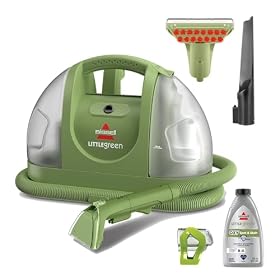
Compact spot cleaner
A spot cleaner is a practical choice when accidents are localized and you want a machine that can be stored near the problem area. It is generally easier to carry upstairs and quicker to set up for a single stain.
Choose this format when you mainly need to clean:
Fresh urine spots
Vomit or food spills
Stairs and small rugs
Upholstery and car interiors
A few high-traffic patches
Its limitations are slower coverage over large rooms, smaller tanks, and the need to work through broad areas in sections.
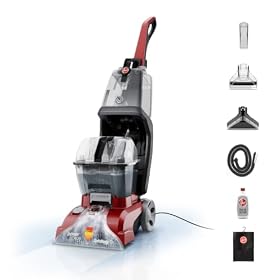
Upright carpet cleaner
An upright is better suited to repeated cleaning across rooms, larger rugs, and full-carpet maintenance. Its wider cleaning head can cover more area efficiently, but the machine may be heavier and less convenient for stairs or furniture.
Choose an upright when pet accidents are frequent or when you expect to clean the entire carpet regularly rather than only individual spots.
Two-machine households
Some households benefit from keeping a compact spot cleaner for immediate accidents and using an upright periodically for deeper cleaning. This is not necessary for everyone, but it can be sensible when accidents are frequent and carpeted areas are large.
Product prices and availability are accurate as of the date/time indicated and are subject to change. Any price and availability information displayed on Amazon.com at the time of purchase will apply to the purchase of this product.
Pet formulas and odor control
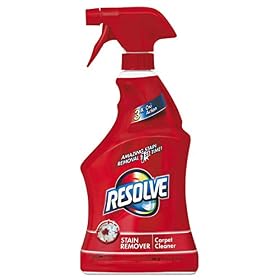
Use a formula specifically labeled for pet stains or odors when the manufacturer permits it. Enzyme-based products are designed to break down certain organic residues, but they must be used according to the product directions and given the recommended contact time when applicable.
A carpet cleaner does not automatically remove the odor source. If urine has soaked through the carpet backing or padding, surface extraction may improve the area without eliminating the smell completely. Repeated odor after proper cleaning can indicate contamination below the carpet surface.
Avoid mixing cleaning chemicals. In particular, do not combine products unless their labels explicitly say they are compatible. Test any formula on an inconspicuous area first, and follow the carpet manufacturer's care instructions for colorfastness and fiber compatibility.
Surface compatibility: Is it suitable for your carpet type, rugs, stairs, or upholstery?
Cleaning format: Do you need a compact spot cleaner or an upright?
Extraction: Does the design prioritize dirty-water recovery and controlled drying?
Tool access: Is there a hose and hand tool for small accidents and furniture?
Tank handling: Can you fill, empty, rinse, and dry both tanks without difficulty?
Formula requirements: Does the manufacturer specify a particular type or dilution ratio?
Storage: Can the machine, hose, cord, and tools fit where you will keep them?
Replacement parts: Are filters, brushes, tanks, hoses, or nozzles available if they wear out?
Maintenance: Can hair and debris be removed from the brush area without special tools?
Drying needs: Can you ventilate the room and keep pets away until the carpet is dry?
The easiest machine to maintain is often the better long-term purchase. A cleaner that is difficult to rinse, dry, or reassemble may be left unused between accidents.
Product prices and availability are accurate as of the date/time indicated and are subject to change. Any price and availability information displayed on Amazon.com at the time of purchase will apply to the purchase of this product.
How to use it after an accident
First, remove solid material and blot as much liquid as possible with disposable towels. Do not scrub aggressively, since rubbing can spread the stain and push liquid deeper into the fibers.
Then follow the carpet cleaner's instructions:
Use the recommended formula and dilution.
Avoid flooding the area with repeated wet passes.
Make slow wet passes so the tool has time to extract liquid.
Follow with additional dry passes as directed.
Empty and rinse the recovery tank immediately.
Rinse the hose, hand tool, brush area, and removable filters if the instructions call for it.
Allow the carpet and machine parts to dry fully before closing or storing them.
Keep pets away from the area until the carpet is dry and the product label permits access.
If the accident is large, the carpet remains wet, or the odor returns after cleaning, stop repeatedly treating the same area. The padding or subfloor may need evaluation rather than more surface solution.
When replacement or professional help is reasonable
A replacement machine may be reasonable when the cleaner has weak recovery, leaks from the tanks or hose, repeatedly leaves carpet saturated, or has a damaged brush assembly that is not economical to replace. If the motor smells hot, trips a breaker, makes unusual electrical noises, or the cord is damaged, unplug it and stop using it. Electrical repairs should follow the manufacturer’s service guidance or be handled by a qualified professional.
For a new purchase, prioritize the format and maintenance routine you will actually use: a compact spot cleaner for quick response, an upright for recurring whole-room work, or professional service for deep saturation and persistent contamination.
FAQ
Is it worth buying a carpet cleaner for one pet accident?
Usually not unless you expect more accidents, need to clean other spills, or want a machine for regular carpet maintenance. For one isolated accident, prompt blotting and an appropriate spot-cleaning product may be enough.
Is a spot cleaner or upright better for pet accidents?
A spot cleaner is more convenient for isolated accidents, stairs, upholstery, and small rugs. An upright is better for repeated accidents across multiple rooms or for regular whole-carpet cleaning.
Will a carpet cleaner remove urine odor completely?
It may remove surface residue and improve the odor, but urine that has reached the carpet backing or padding can require deeper treatment or professional evaluation.
Can I use any carpet-cleaning solution in a pet carpet cleaner?
No. Use only a formula approved by the machine manufacturer and suitable for the carpet or upholstery. Follow the label dilution instructions and do not mix cleaning chemicals.
How can I keep carpet from staying wet after cleaning?
Use controlled wet passes, make dry passes as directed, avoid over-spraying, ventilate the room, and keep pets off the carpet until it is fully dry. Persistent dampness may indicate poor extraction or excessive solution use.